

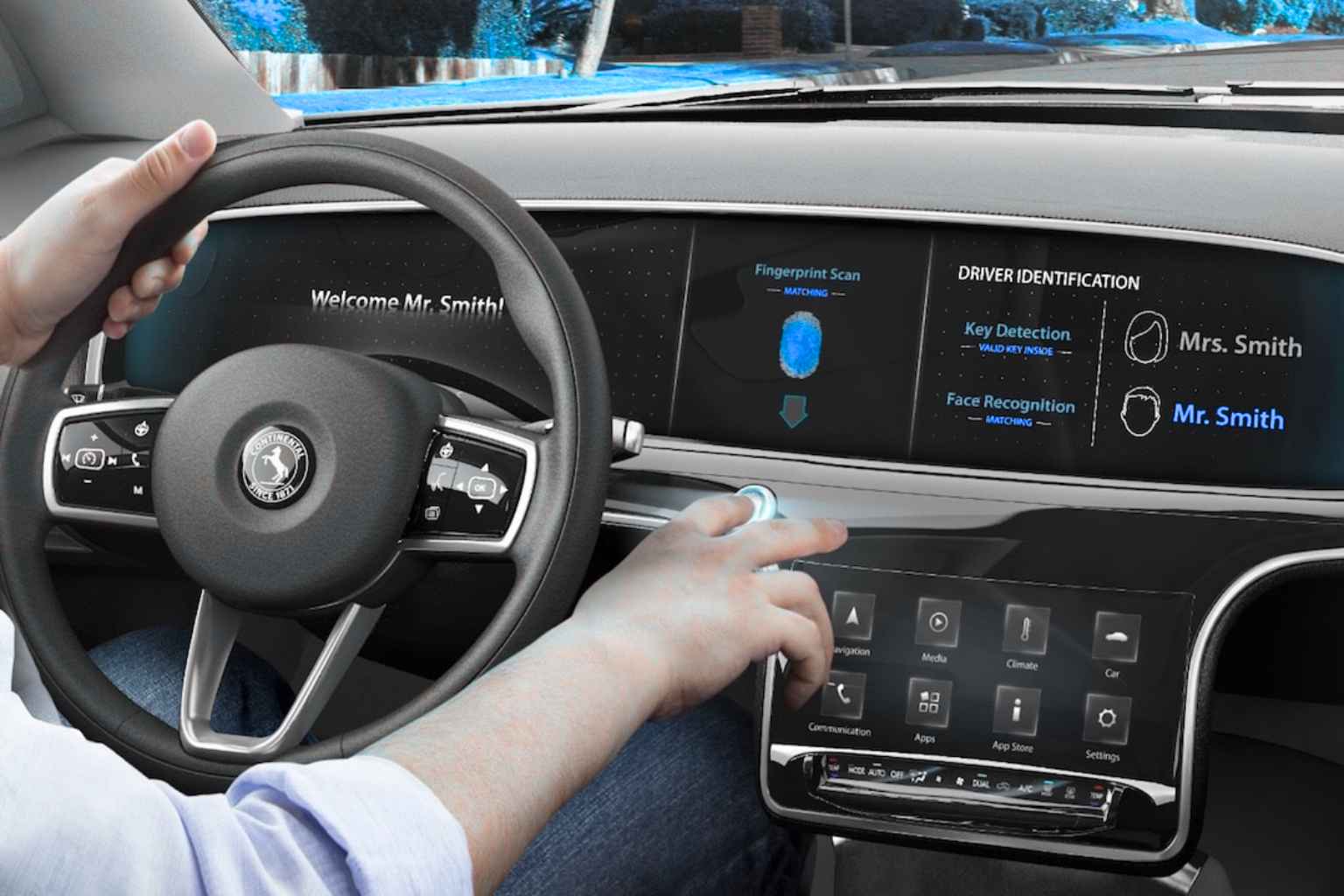
The way we enter and start cars is gaining on keys and remote fobs ducking out for the drive. Biometric car access works by identifying people based on a unique aspect of their human self, like fingerprints, facial recognition or an iris scan to unlock and start vehicles. This tech is supposed to deliver enhanced security, more convenience and a customized driving experience. With the advance of intelligent and connected cars, biometric access is truly a logical next step in vehicle security.
1. What Is Biometric Car Access
Featuring biometric car access, you can unlock and start the car with your biological identity. Instead of a physical key or fob, the car identifies the authorized driver via fingerprints, face scans or other biometric cues. This gives you direct connection with the car.
2. Why Traditional Keys and Fobs Are Becoming Less Ideal
Keys and key fobs are lost, stolen or duplicated physically. Relay attacks and signal manipulation also drew attention to keyless entry systems. Biometric access mitigates these risks by allowing only authenticated users to use the vehicle.
3. Kinds of Biometric Technologies in Cars
Up-to-date vehicles are exploring multiple biometric possibilities:
- Fingerprint sensors on the door handles, or in the start buttons
- Facial recognition using internal or external cameras
- Iris scan for high security entrance
- Voice recognition as a secondary verification layer
- Biometric and PIN Fusion based Systems
All have different degrees of security and convenience.
4. How Biometric Access Improves Vehicle Security
A person’s biometric data is special to only each person, so it’s hard to recreate. This minimizes the problem of theft and unauthorized access. Cleary, some of these systems can detect and respond to forced entry attempts they lock down the car or send alerts to the owner.
5. Convenience Without Carrying Anything
The key or fob will always be necessary, but the big advantage of biometric car access is that you won’t have to carry them with you. Drivers can open car door and start engine without taking off device from pocket or bag. Very convenient, specifically used for exercise, traveling or emergency situations.
6. Personalized Driving Experience
Biometric systems have the potential to tie a driver’s identity to personalized settings:
- Seat and mirror positions
- Climate control preferences
- Infotainment and navigation settings
- Driving modes and safety features
- User specific access restrictions
The car modifies itself the moment it identifies the driver.
7. Biometric Access and Shared Vehicles
Biometric access is fine for shared cars and family vehicles. Every user can create his own partially or fully respective profile. Parents can place restrictions on teenage drivers, fleet operators can monitor which employees use company vehicles.
8. Privacy and Data Security Concerns
Biometric data is highly sensitive. Manufacturers should include strong encryption, secure local storage and clear user consent. To reduce privacy risks, most systems store biometric data in the car itself, rather than on cloud servers.
9. Challenges Facing Biometric Car Access
While there are positive aspects of biometric access, there are also a few challenges:
- Lighting variance in weather or at night.
- Performance of the system when wearing gloves or being wounded
- Cost of advanced sensors
- Data protection regulations
- Backup access methods need to be more trustworthy
Both of these complaints have become more rare over time, as hardware and software improves.
10. Are The Days Of Keys And Fobs Truly Over
Keys and fobs won’t go away overnight, but their footprint will diminish. Biometric access is expected to join digital keys and smartphones in the very near future. If trust catches up and systems are perfected, biometric car access could eventually replace key fobs and push-to-start as the way drivers interact with their vehicles.
Key Takeaways
Biometric vehicle access is a significant development in car security and convenience. By replacing keys and fobs with fingerprints or facial recognition, cars would be safer, smarter and more personal. There are still privacy and reliability challenges to solve, but ongoing innovation suggests that the future is one where your identity becomes the only key you have to carry.
FAQs:
Q1. What is biometric car access?
It is a system that requires fingerprints or facial recognition, among other biological features, to unlock and start a car.
Q2. Is biometric access to the car safer than key fobs?
Yes, it is less risky for theft because the driver himself can be identified through it.
Q3. What if the biometric access goes bad?
And cars have backup methods like PIN codes, smartphone access or emergency keys.
Q4. Is biometric data stored securely in vehicles?
The vast majority of systems store data locked away on the vehicle, secured with encryption.
Q5. Will all cars have biometric access in the future?
Not soon, but it could go up in luxury and premium cars.
