

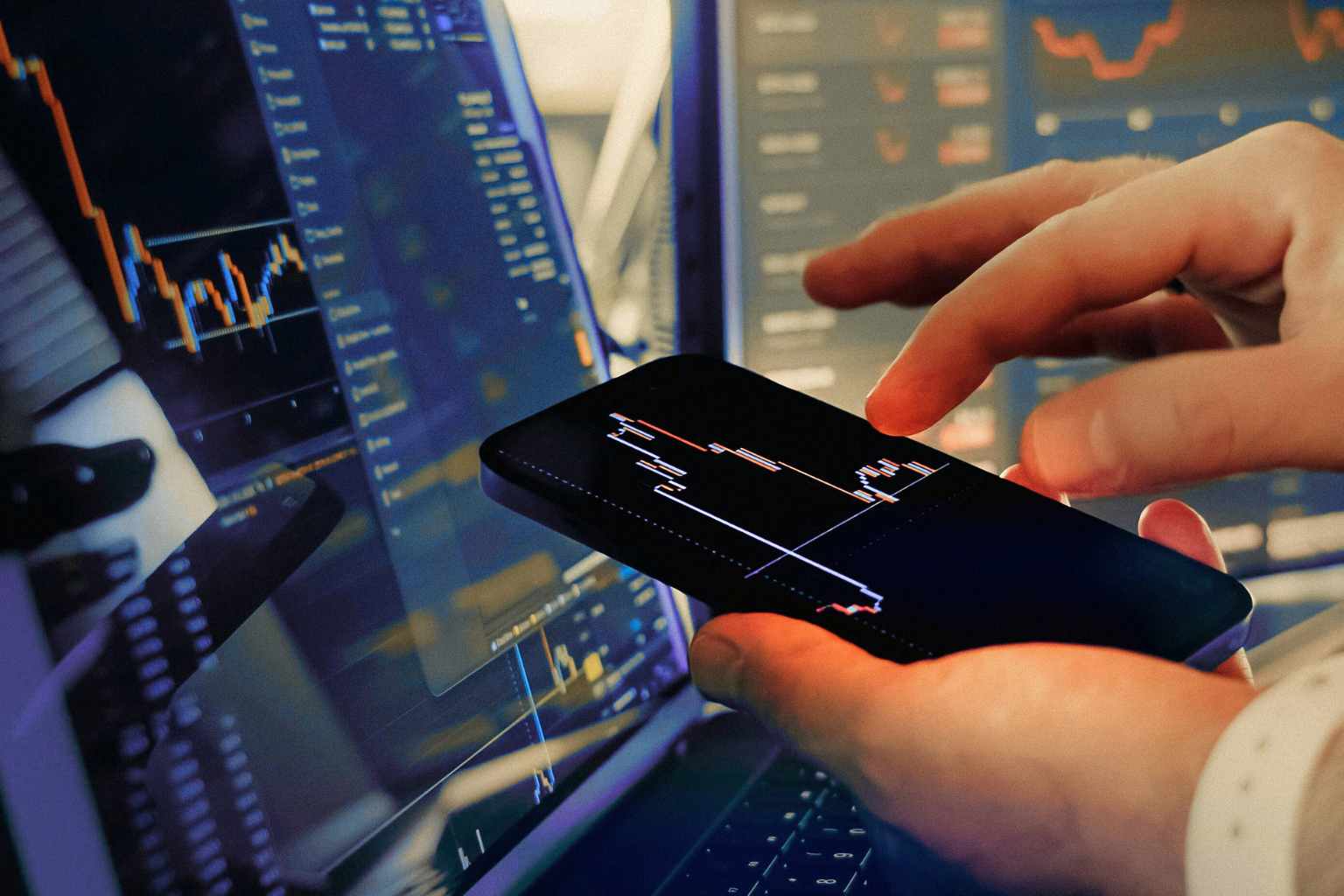
Retail trading apps have changed the way people enter financial markets. What used to be only possible through brokers, phone calls and a large amount of capital has now become just a few taps of a smartphone away. With the advances of technology and more participants in trading, these platforms are developing fast. The next generation of retail trading apps will be smart tools, with better user experience and more meaningful risk control, defining how retail traders will access the markets in the next 5-10 years.
1. How Retail Trading Apps Function And How They’ve Grown
The earliest trading platforms were complicated and geared toward professionals. Contemporary retail trading apps aim to be as simple, quick and accessible as possible. Easy onboarding, clean interfaces and low entry barriers have drawn in millions of first-time traders globally.
2. Technology Driving the Next Phase
Technology is the lifeblood of future trading platforms. Apps are becoming more reliable because of faster data processing, cloud infrastructure and better mobile performance. Because markets never stand still, it is absolutely essential for platforms to provide real time prices, with lightening execution and great stability under very high volumes of volatility.
3. Role of AI Platforms in Retail Trading
Trading apps are getting smarter with artificial intelligence as a core feature. AI assists with data analysis, pattern recognition and personalization of the trading experience. They are not prediction tools, they’re the “read the flow” tools of successful traders.
The main AI enabled features predicted to increase will be:
- Intelligent trade recommendations, based on behavior
- Automated risk warnings
- Personalized dashboards
- Market sentiment analysis
- Adaptive learning tools
AI will be used as a decision-support tool, not a decision-making substitute.
4. Better tools for Risk Management for Traders
But future trading apps will increasingly emphasize protection for users against big losses. Risk management – not an afterthought, but a core component Built-in risk controls (position sizing limits, loss alerts, volatility alarms) will be standard fare. This move allows traders to trade responsibly as opposed to emotionally.
5. Growth of Social and Community Based Trading
Retail trading is getting more social. Platforms are adding features where traders can also share ideas, performance statistics and strategies. Learning from a community will reduce isolation and make it easier for beginners to learn more quickly, but platforms will also need to develop better mechanisms to increase transparency and decrease misinformation.
6. Automation and Semi Automation Trading Accessibility
Automation will no longer be reserved for sophisticated traders. Retail platforms are offering easier automation with no code tools and rule based system.
- Stop loss and take profit by automation
- Strategy based alerts
- Partial Entries and Exits Automated
- Copy and mirror trading options
- Performance based automation limits
These are tools that can help traders maintain discipline.
7. Regulatory Focus and User Protection
As retail trading increases, so will regulation. Future platforms will have to enable better identity verification, transparent fee structure and clear disclosure of risks. Strict regulation creates trust for both sides (traders and platforms) and reduces hype.
8. Education As A Fundamental Part Of The Platform
Trading applications are moving from execution only services to education platforms. Users will be assisted in their development with integrated education, simulators and guided learning paths to make them better at the game. Curriculum driven platforms provide more competent and consistent traders.
9. Personalization and User Experience
The future of stock trading apps is personal. Platforms will adjust layouts, tools and notifications based on traders behavior and level of experience. Both beginners and specialists have varieties of interfaces meant for them.
10. What the Next Few Years May Hold for Retail Traders
Retail trading platforms will get smarter, safer and more supportive. You won’t have to be a rocket scientist (or hire and pay one) to use this professional-grade software. But the onus will continue to be on the trader to apply all of this wisely and manage risk responsibly.
Key Takeaways
The next chapter of retail trading apps will be about smarter technology, better risk management, stronger education and a higher degree of customization with the user experience in mind. They will be aided by AI, automation and community features, but discipline and knowledge will still be key. As platforms change, the traders who adapt most thoughtfully will win.
FAQs:
Q1. Are retail trading apps the new traditional brokers?
Many of these broker functions are already being replaced by retail apps, but there may still be advisory roles to fill.
Q2. Is smart trading apps with AI a safe thing for use?
As support systems, these are safe to use but not as profit-systems.
Q3. Will automation dominate retail trading?
Automation will rise, but human decision makers still will matter.
Q4. Is this getting new regulation for trading apps?
Yes, regulations are tightening to safeguard retail traders.
Q5. What skill will traders need in the years to come?
It will be all about risk control, managing emotions and being able to adapt to different market conditions.
