

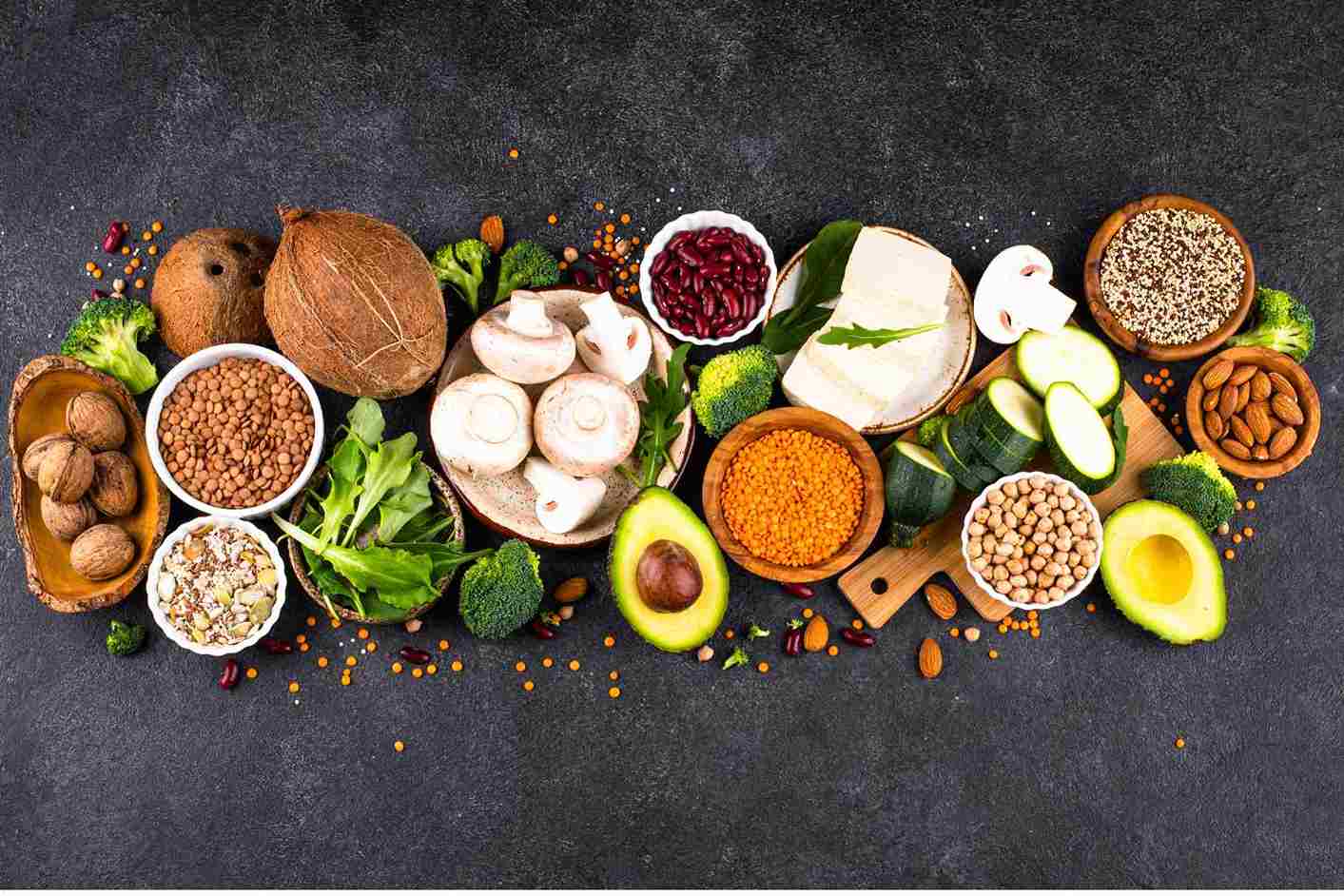
Nutrition is no longer all about one-size-fits-all advice. People are catching on to the fact that a single diet doesn’t fit everybody. DNA diets are changing the landscape of personalized nutrition by determining what goes onto your plate based on your genetic makeup. Here, we’re talking about how individual bodies process nutrients, react to foods and control health risks, making nutrition more precise and personal than ever.
1. What DNA-Based Nutrition Really Is
DNA-based nutrition relies on genetic testing to illuminate how the body responds to various foods. From a drop of saliva, a new test of genes and metabolism could tell you how genes may affect your metabolism, the way nutrients are processed (or not) and even food sensitivities. From this information, diets are customized rather than generalized.
2. Why One Diet Doesn’t Fit All
We react differently to the same foods. Some are good at digesting carbohydrates, some not so much; some convert them to fat, others do not. Some easily absorb vitamins; others require a higher dosage. These differences are often genetic. DNA-based diets are an attempt to explain why some diets work out better for certain people and not for others.
3. Role of Nutrigenomics in Personalized Nutrition
Nutrigenomics is the study of the interaction between genes and nutrition. It can reveal how nutrients and genes interact to influence health. This science underpins DNA-based diets and provides evidence-based foundation for nutrition plans, as opposed to passing fads.
4. How DNA-Constructed Diets Get Made
There is a typical sequence to the process:
- DNA sample collection through saliva
- Genetic analysis in certified labs
- Metabolism and nutrient markers discovery
- Personalized diet and lifestyle recommendations
- Ongoing adjustments based on progress
This structured process makes nutrition more specific and applicable.
5. Benefits of DNA-Based Diets
Personalized nutrition offers several advantages:
- Better weight management outcomes
- Improved digestion and energy levels
- Less immediate trial-and-error with diets
- Support for chronic health + Long term health goals
- Greater motivation through personal relevance
These are advantages that support easier adherence and more sustainable outcomes.
6. DNA Diets and Chronic Disease Prevention
Nutrition might play a role in DNA specificities and can be a tool to help control and prevent lifestyle diseases. Custom plans also work to support the health of your heart, stability of your blood sugar and management of inflammation. Though not a medical treatment, this measure is an effective first defense against the daily care and management of your health.
7. Lifestyle And DNA Insights In Combination
Genes matter, but they are not destiny. DNA-based diets are most successful when paired with lifestyle factors, such as activity level, sleep and stress, and preferences. Personalized nutrition takes a cue from genetics to make the concept of real life habits rather than strict rules.
8. Technology Making Personalized Nutrition Accessible
DNA testing is now more accessible and DIY than ever before with advances in technology. Because of the digital media, back in High School they all had clearly written reports and mobile apps which tracked daily food choices. With AI tools, recommendations are refined over time based on results and feedback.
9. Limitations and Concerns to Consider
While DNA nutrition holds a lot of promise, there are certain limitations:
- Genetics doesn’t explain everything about health
- Test provider may produce different results
- Privacy and data protection concerns
- Need for professional interpretation
- Not medical advice Can’t take the place of professional consultation
Keeping these boundaries in mind helps understand what is and isn’t feasible.
10. What is in Store for DNA-Based Diets
The personalized nutrition of the future will be more holistic and precise. DNA knowledge will be married with gut health measurements, wearable tracking and A.I. Not to mention all the inspiration in your lifestyle kit: nap practices, meditation mods, “micro adventure” codecs, etc. Such will lead to nutrition routines that evolve in real-time, smarter and more effective healthy eating for users.
Key Takeaways
Diets by DNA (d-by-dna) is the future of personalized nutrition, where your diet choices compliment or oppose our very dna based core identity. They eliminate the guesswork, deliver better outcomes and enable long term health targets. Although not a magical answer to it all, marrying DNA with learned healthy living proves to be one powerful personalized nutrition strategy.
FAQs:
Q1. What is a DNA-based diet?
It’s a diet plan based on your genetics that tells you what to eat.
Q2. Are DNA nutrition tests accurate?
Useful information is given, yet it must be put through the lense of Standard Way Of Life.
Q3. Do DNA-based diets help people lose weight?
Yes, they can optimize outcomes by tailoring diets to individual metabolism.
Q4. Are DNA-based diets safe?
Absolutely, when used appropriately and in tandem with professional oversight.
Q5. Do DNA diets eliminate the need for a good nutritionist or doctor?
No, they supplement decision making and are not a substitute for medical advice.
