

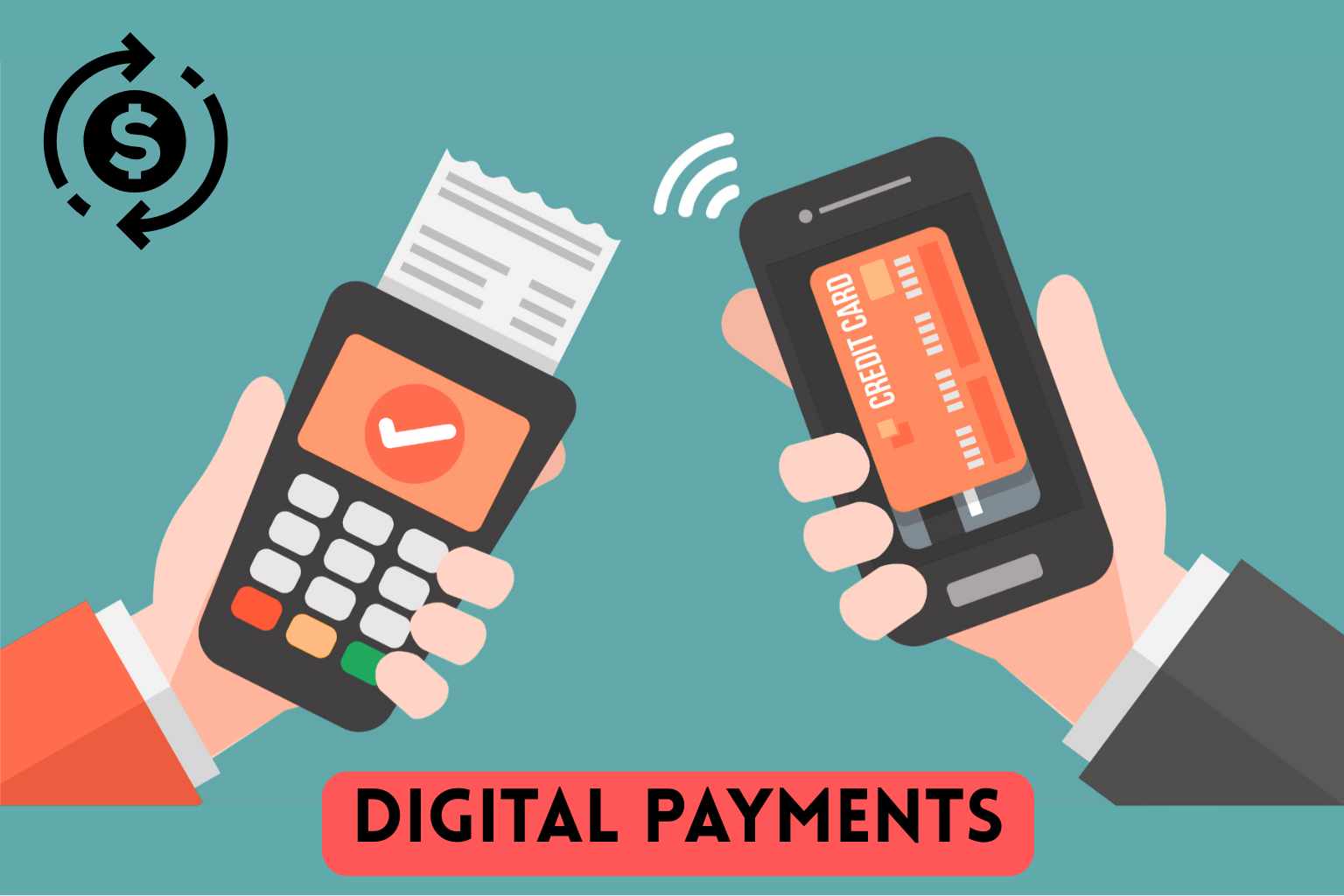
People are adopting new ways to pay for goods and services at a faster clip than ever. The use of cash is being displaced by faster, safer and more convenient digital payments. Mobile wallet apps have struck an argument for cryptocurrencies, changing the way money flows in everyday life. With technology’s continual evolution, and users becoming more confident in their usage, payments are increasingly becoming completely digital and quite adaptable.
1. How Digital Payments Have Evolved
Digital payments began with the rise of the debit and credit card, and progressed to online banking and apps on mobile devices. Today, consumers can instantly pay with their smartphones, QR codes or even wearables. The change is motivated by the desire for speed, convenience and safe dealings in an interconnected world.
2. Rise of Mobile Wallet Apps
Mobile wallet applications are increasingly being used as a payment mode for everyday transactions. They allow users to store cards, bank accounts and even loyalty points in one place. Payments conducted with the simple tap of a card or seamlessly by scanning are finalised in just moments, making wallets perfect for use on shopping trips, travel and at the register.
3. The New Normal for Contactless Payments
Stores, public transit and restaurants now routinely take payments without contact. They minimize physical contact and increase the speed of checkout. This change has brought the digital payments closer to all age groups, urban based community in particular.
4. Role of QR Codes in Expanding Digital Payments
QR code payments have been pivotal in the successful push for digital payments among small-sized businesses. You can set them up pretty easily and you don’t need expensive equipment. Customers just scan a code and pay with their own app, democratizing digital payments.
5. How Digital Payments Improve Business Efficiency
Businesses have many opportunities to take advantage of digital payments:
- Faster transaction processing
- Reduced cash handling risks
- Better record keeping and transparency
- Makes it simpler to monitor sales and customer activity.
- Improved customer checkout experience
These benefits can make it significantly easier for both small and large businesses to run.
6. Cryptocurrencies in the Digital Payments space
A new category is emerging in digital payments: cryptocurrencies. They enable peer to peer transaction without the intermediation of traditional banks. A work in progress Though far from adopted by the masses, crypto payments provide advantages like lower cross border transaction fees and speedier international transfers. There are already some businesses that accept crypto as a form of payment.
7. Blockchain Technology Behind Secure Payments
Cryptography and digital signatures are made possible by the blockchain that enables cryptocurrency transactions to be secure. It logs transactions in an open and immutable manner. This minimizes fraud and instills confidence in digital payment mechanisms – particularly on the international space.
8. Challenges Digital/ Crypto Payments Have to Overcome
But digital payments are not without challenges, despite the their rapid growth:
- Cybersecurity and fraud risks
- Privacy issues regarding user information
- Limited awareness about crypto payments
- Price volatility in cryptocurrencies
- Regulatory uncertainty in some regions
These are significant to vast adoption.
9. Financial Inclusion Through Digital Payments
Digital payments are enabling the spread of financial services among people who don’t have access to traditional forms of banking. With the assistance of mobile wallets and digital platforms, one can easily send/receive/stores money online. “It helps small businesses, freelancers and rural communities.
10. What the Future of Digital Payments Holds
Faster, smarter and more personalized is the future of digital payments. AI will aid in fraud detection, blockchain will enable greater transparency and crypto could stabilize and become more widely accepted. Wallet apps, digital currencies and contactless systems will all operate in tandem, giving users a variety of payment options.
Key Takeaways
The future of digital payments is about to move beyond cash and cards and into a fully digital ecosystem. Looking at how our money is changing, it’s clear that mobile wallets, contactless payments and cryptocurrencies are revolutionizing the way we pay for goods and services, send and receive money. Despite remaining challenges around things like security and regulation, more innovative solutions are gradually making digital payments safer, fairer and easier to use in everyday life.
FAQs:
Q1. What is the meaning of digital payments?
They are cashless, using cards, apps or online systems.
Q2. Are wallet apps safe to use?
Yes, they do almost all of them use encryption and passcode protection (like PINs or biometrics).
Q3. Are cryptocurrencies practical for everyday payments?
In some cases, yes, but adoption continues to increase.
Q4. Are digital payments going to replace cash entirely?
Cash usage will diminish sharply but may not vanish altogether.
Q5. What is the largest benefit of receiving payments digitally?
Faster, easier and more transparent transactions.
