

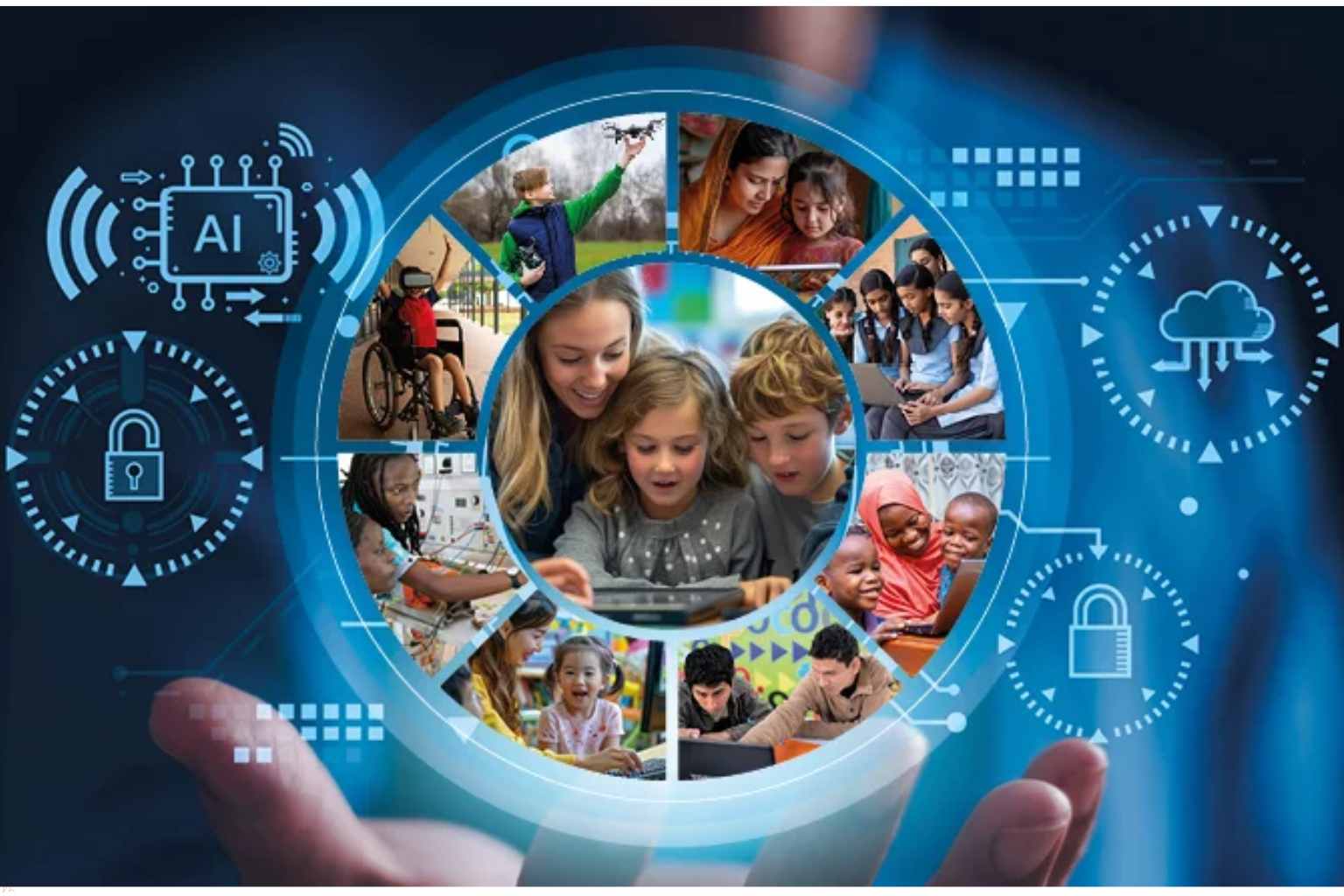
Learning is no longer confined within the four walls of a classroom and national boundaries. Global learning networks are linking students from around the globe, facilitating virtual exchange and shared journeys novices. Because students have access to classrooms around the world, they can benefit from other cultures, perspectives and teaching styles. This transformation is remolding education as a global, interconnected, and future ready enterprise.
1. What Are Global Learning Networks
Global learning networks are online virtual spaces that link students, teachers and schools on an international scale. These networks utilize the Internet, virtual classrooms and collaborative software to facilitate a community of learning. With MUNS students will be able to join international lessons, work on projects with partners and classmates throughout the world or even communicate in real time.
2. Why Global Access is Important for Education
‘You have found the world in a highly connected state.’ “Global learning involves considering and understanding the views of others, as well as the world’s challenges and solutions.” Being exposed to global perspectives fosters a greater sense of empathy and cultural understanding both prized attributes in the modern working world.
3. Technology Enabling Worldwide Learning
Technological leaps have enabled global learning to become a reality:
- Fast internet and the cloud
- Video conferencing and virtual classrooms
- Collaborative tools for shared projects
- Global learning management systems
- Translation and language support tools
The media eliminate distance and time.
4. Collaborative Learning Across Cultures
World-wide learning networks promulgate student collaboration between divergent backgrounds. Collaborative works, discussions, and problem-solving activities allow students to learn from tangible diversity. This exchange enhances one’s communication and team work potential.
5. Expanding Access to Quality Education
Students who live in rural areas or are otherwise underserved can be exposed to worldwide educators. Online global programs help alleviate education gaps by providing quality content that is not restricted to location. Educational opportunity is more equal and inclusive.
6. Preparing Students for Global Careers
So many of the jobs in our future are going to have us working with teams from all over the world. Learning networks around the world are therefore preparing young people for this fact of life by teaching cross cultural communications. Students get comfortable working across borders, time zones and cultures.
7. Role of Teachers and Institutions
Tutors are vital to global learning. Collaborative programs are designed by the teachers to guide discussion and engage in meaningful dialogue. Schools collaborate with international partners and schools to provide meaningful, structured learning opportunities.
8. Challenges in Global Learning Networks
While global learning networks are beneficial, they do present some challenges:
- Unequal internet access
- Time zone differences
- Language barriers
- Digital literacy gaps
- Data privacy and security concerns
Dealing with those issues should be important for promoting the international collaboration.
9. Blending Global and Local Learning
The best approach is one that possesses global exposure and local relevance. Students transfer information from the global scale to local issues and concerns, ensuring that learning is directly connected to real-world situations. This balance enhances both global awareness and community involvement.
10. The Future of Connected Education
Learning communities on a global scale will always be growing, as technology advances. Virtual exchanges, global classrooms and international collaboration will become routine in education. Learning will be defined by opportunity, not geography.
Key Takeaways
Global learning networks are transforming education by connecting students worldwide through digital platforms. They promote cultural understanding, collaboration, and equal access to knowledge. By preparing students for global careers and shared challenges, these networks are shaping a more connected and inclusive future of learning.
FAQs:
Q1. What are global learning networks?
They are digital platforms that link students and teachers around the world.
Q2. What do students gain from belonging to international learning networks?
They enhance cultural understanding, cooperation and global skills.
Q3. SPECIAL SECTION Do students need fancy technology to tap into global learning networks?
Nothing fancier than basic internet connectivity and digital equipment is required.
Q4. Are global learning programs affordable?
Many are inexpensive, or even free through academic partnerships.
Q5. Will world learning kill the classroom?
No, it will supplement a traditional education with greater global exposure.
