

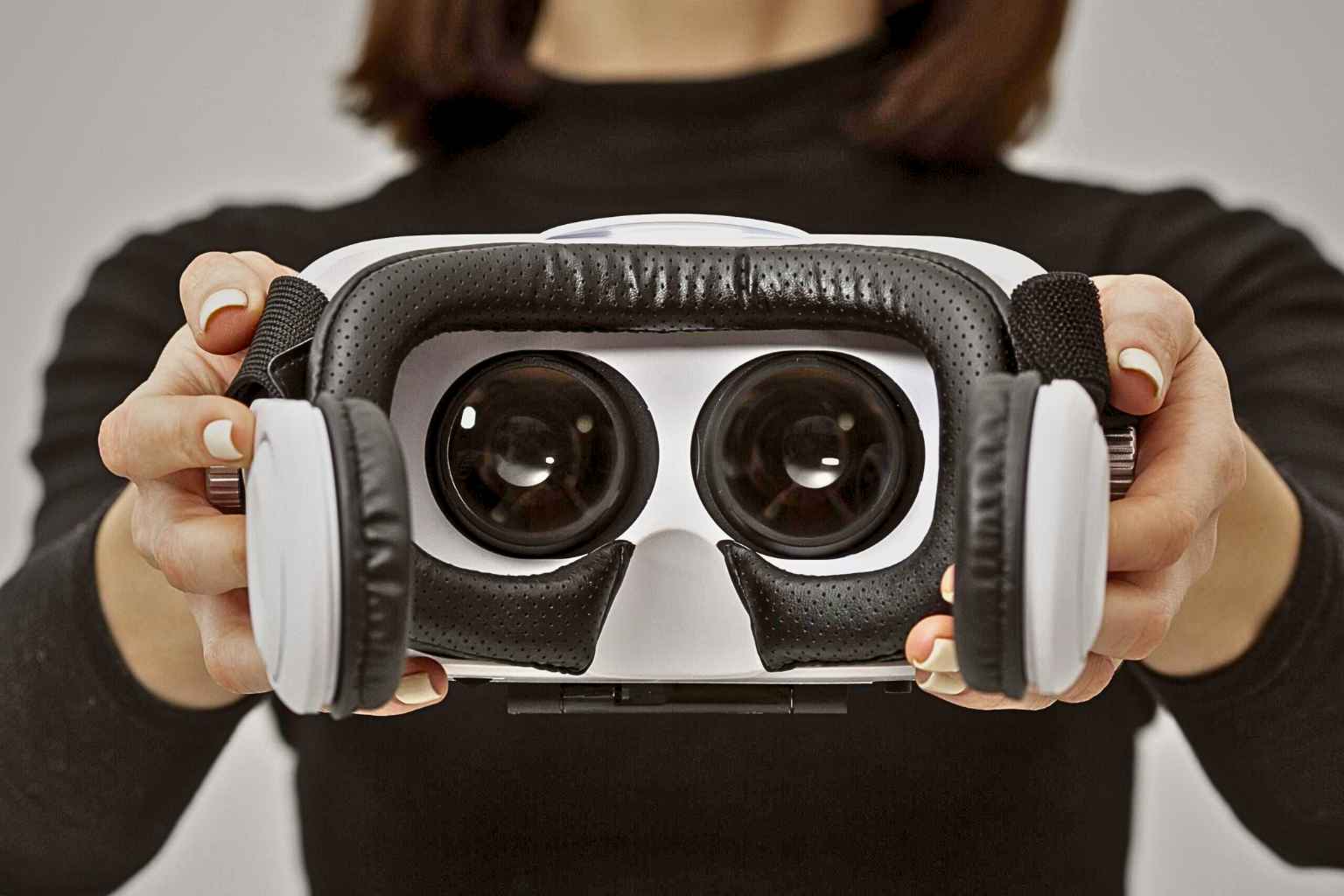
Now, technology is not just for screens. XR, otherwise called Extended Reality, is merging the physical and digital worlds into a new environment. Virtual Reality + Augmented Reality + Mixed Reality = Explore extended reality and learn how XR merges real and virtual worlds through VR, AR, and MR to transform work, learning, and entertainment, work, shop and play. This confluence of physical and digital spaces is defining the next chapter in our digital lives.
1. What Extended Reality Really Means
Extended Reality is a category that encompasses virtual reality, augmented reality and mixed reality. Rather than segregating the real and digital worlds, XR makes it possible for them to mix. Digital objects can appear in real spaces or users can be transported into entirely virtual worlds, depending on the technology.
2. How XR Differs From Traditional Digital Experiences
But traditional digital experiences take place on flat screens. What is XR? XR takes the factors on the spectrum and puts users into an experience. It reacts to movement, gestures and environment in a way that will anyone feel immersed. This transition leads to more academic involvement and commitment.
3. Increasingly Realistic Virtual Worlds
Virtual reality immerses the participant in an entirely virtual space. Users can navigate virtual space with headsets and controllers, practice skills or perform simulations. VR is used across games, training and virtual collaboration.
4. The Real World Improved with Augmented Reality
AR overlays digital information over the real world. It amplifies what people can perceive rather than replaces it with reality. Go to the store, interest education,AR as well as everyday mobile applications available all information in real time.
5. (Mi Broker) Mixed Reality Blending Interaction and Context
You can also create MR images that combine digital and real objects. Users can anchor virtual objects to their environment and interact with them as if they were really there. These feature can be particularly important in design, engineering and high-end training applications.
6. XR in Business and Industry
XR is changing industries by enhancing efficiency and learning:
- Employee training through simulations
- Product design and prototyping
- Remote collaboration and virtual meetings
- Maintenance and repair guidance
- Real estate and architectural visualization
They are to lower costs and to improve the precision.
7. XR in learning and skills development
XR is changing how we learn. Students have the opportunity to visit virtual labs, historical sites or visualise difficult concepts. We all know that learning something by experiencing it first-hand is retained better and more engaging for students of all ages.
8. Entertainment and Social Experiences
XR is redefining entertainment. Virtual concerts, immersive games and social experiences enable people to come together in different ways. Supporters can go to an event or experience virtual worlds together no matter where they are on the planet.
9. Challenges Facing XR Adoption
Still, assignment in XR does have its challenges:
- High cost of hardware
- Limited content availability
- Comfort and motion sensitivity issues
- Technical skill requirements
- Privacy and data concerns
Increasingly, as technology evolves, these walls are becoming less and less restrictive.
10. The Future of XR Technology
The future of XR is in lighter devices, improved visuals and increased adoption. As hardware becomes cheaper and content grows, XR will increasingly become a part of everyday life. In work and play, XR will further blur digital and physical realities.
Key Takeaways
“We are at the beginning of a new era where XR is radically changing the relationship of humans to technology by enabling mixed reality – real and virtual worlds in constant interaction,” Gierl adds. On-demand immersive reality XR improves learning, working, entertainment and interaction. Though stumbling blocks persist, continued innovation is pushing XR further toward the mainstream and redefining the digital experience in a dramatic way.
FAQs:
Q1. What does XR stand for?
XR is short for Extended Reality, which encompasses VR, AR and MR.
Q2. How is XR used in daily life?
It is exploited for education, play games, shop, training and remote cooperation.
Q3. What is the difference between XR and virtual reality?
Yes, XR encompasses virtual reality along with augmented and mixed reality.
Q4. Do I need special devices for XR?
Some experiences require users to strap on headsets, while others can be viewed on smartphones or tablets.
Q5. Will XR replace traditional screens?
In the immediate future XR will be used to augment rather than fully replace screens.
