

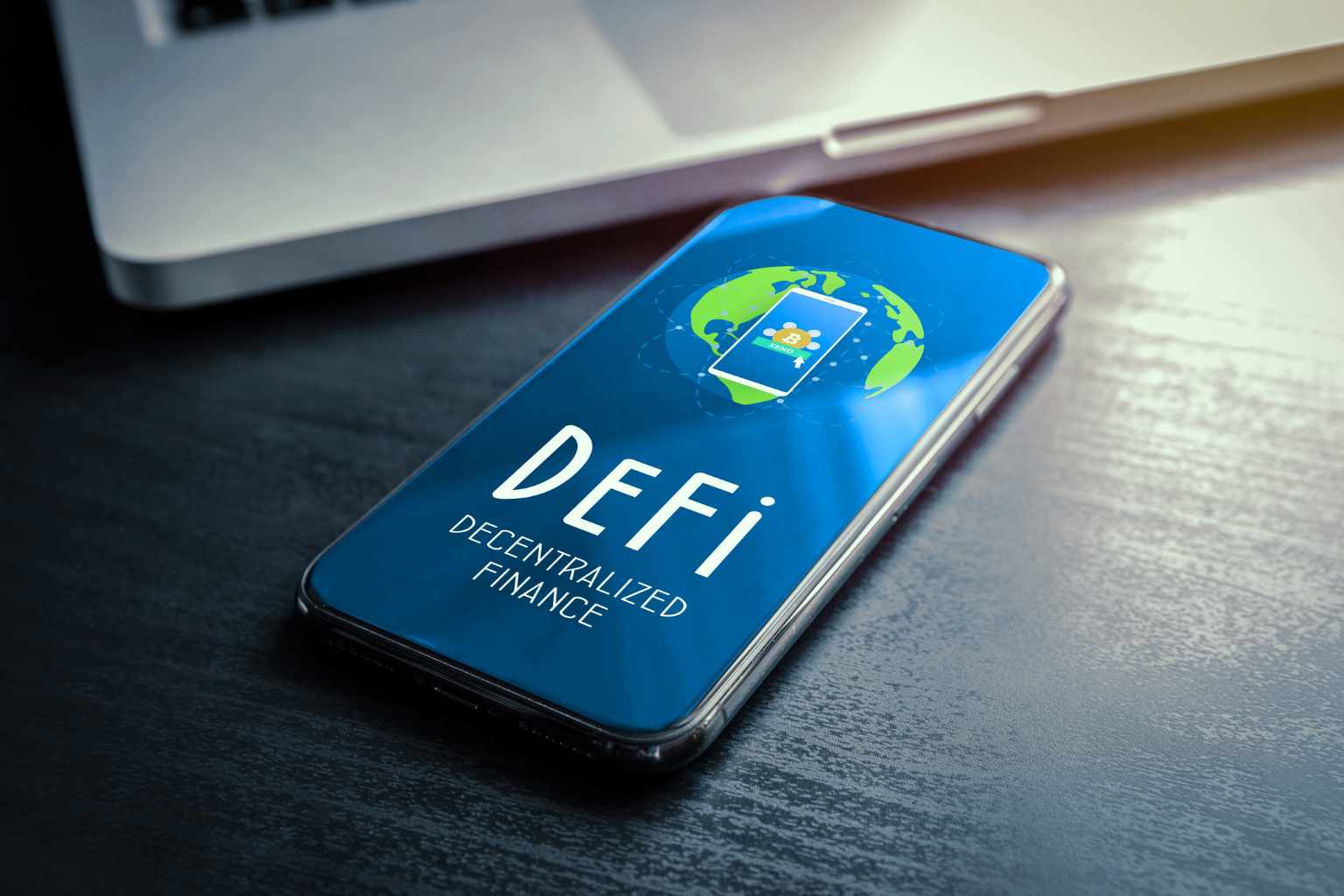
Finance is in the midst of one of the greatest changes in its history. Decentralized Finance, or DeFi, has taken the financial world by storm with innovation that opens up the possibility of a financial system without banks as intermediaries and users in full control of their money. Powered by blockchain, DeFi projects provide financial services that can be accessed by anyone with an internet connection and are transparent and open. This change is uprooting how people borrow, lend, invest and transfer value.
1. What Is Decentralized Finance (DeFi)
DeFi is shorthand for financial services that are run on computer programs built on blockchain networks and that don’t require a middleman, like a bank or central authority. Unlike institutions, DeFi is built on something called smart contracts that execute automatically when certain conditions are met. It enables direct interaction with financial systems by users.
2. How DeFi Differs From Traditional Banking
Traditional banking relies on centralized authorities to oversee money, approve transactions and control access. DeFi removes these gatekeepers. Users retain custody of their funds and interact directly with protocols. Transactions are stored on public blockchains so they’re transparent and auditable.
3. Core DeFi Services Explained
DeFi platforms provide a plethora of services analogous to those provided by banks, albeit in a non-custodial manner:
- Lending and borrowing without banks
- Decentralized exchanges for trading assets
- Yield farming and earning interest
- Stable coins for price stability
- Cross border payments without intermediaries
These places are open 24/7 with no hours or location restrictions.
4. Smart Contracts Powering DeFi
DeFi is built on smart contracts. They automate contracts, eliminate human bias and lower costs. When smart contracts are implemented, they adhere to set rules and due to not being managed manually as in conventional settings, transactions done this way are faster and way more secure.
5. Financial Inclusion Through DeFi
DeFi grants financial access to those left out of traditional banking. Anyone with a smartphone and an internet connection can access DeFi services. This is very important in areas with poor banking facilities, or where the cost of converting strange coins into useful purchase monies eats away at any profit made.
6. Benefits Driving DeFi Adoption
It’s clear why DeFi is booming:
- Full control over personal funds
- Lower fees compared to banks
- Faster transactions and settlements
- Global access without paperwork
- Transparent and open systems
These advantages make it interesting both for end-users and developers.
7. Risks and Challenges in DeFi
But despite the enterprising promise of DeFi, it comes with risks:
- Bugs and security issues in smart contracts
- Market volatility and liquidation risks
- Limited consumer protection
- Complexity for new users
- Regulatory uncertainty
It is important to be aware of these risks before participating with the DeFi platforms.
8. How DeFi Is Making Banks Move Faster
DeFi is also being watched closely by traditional banks. Some are dabbling in blockchain integration, faster settlements and digital assets. DeFi is incentivising banks to be more transparent, cut fees and offer customer-centric offerings.
9. Regulation and the Future of DeFi
DeFi is starting to catch the attention of governments and regulators. The trick is to innovate while protecting the user. Clear rules could help DeFi expand in a responsible manner without sacrificing its decentralized character.
10. Is DeFi the Future of Finance
It’s not that traditional banking is going to be replaced overnight by DeFi. But it is recasting attitudes to financial access, speed and transparency. Hybrid future A combination of decentralized finance and traditional finance is a possibility for the future.
Key Takeaways
DeFi is upending traditional banking by doing away with the intermediary, and instead placing control in users’ hands. Thanks to blockchain and smart contracts, DeFi is fast, transparent and global. Not without risks and regulatory hurdles to this day, DeFi is redefining how finance works, and driving the entire industry towards a more open and user centric future.
FAQs:
Q1. What is DeFi in simple terms?
It is a banking system that operates without banks, built on cryptocurrency technology.
Q2. Is DeFi safe to use?
DeFi can be safe, but users need to understand risks around volatility and smart contract vulnerabilities.
Q3. Can anyone use DeFi platforms?
Anyone with an internet connection and a digital wallet can use DeFi, yes.
Q4. Does DeFi replace banks completely?
No, it takes on banks but can live alongside traditional finance.
Q5. Why is DeFi growing so fast?
One reason is that it has lower fees, transparency and worldwide reach for financial services.
