

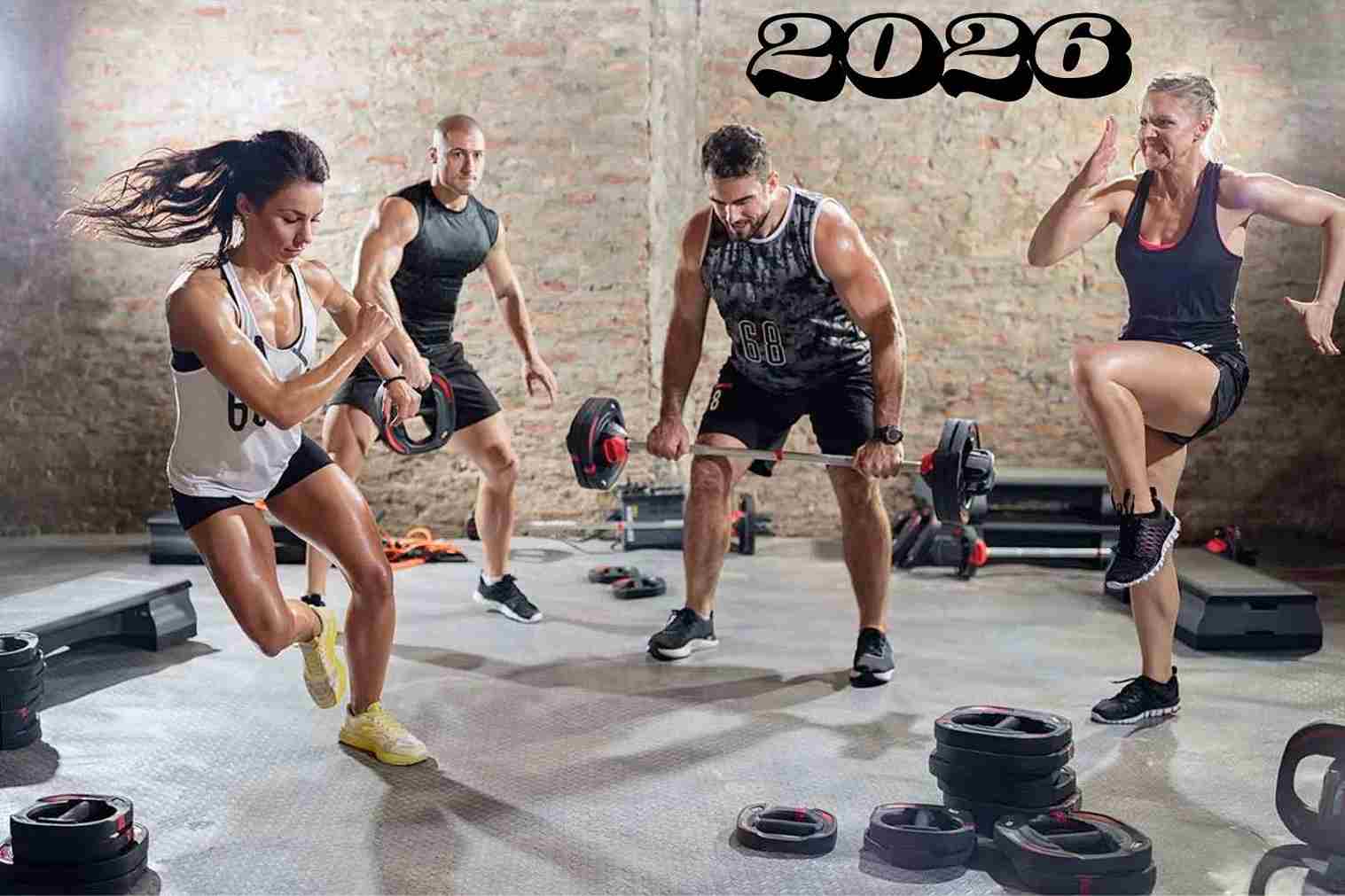
There is no such thing as a 2026 fitness, where you are sticking to your guns and only following one sport or style of working out. Cross-training, the practice of combining two or more sports and training methods, is one way many train to build a balanced fitness base. Rather than just going through the motions, they mix in strength training, cardio, flexibility and sport-specific moves. It’s better for overall performance and prevention of injuries and sure makes the workout more fun.
1. What Cross-Training Means in 2026
Cross-training is mixing multiple types of exercise to work out the body as a whole. By 2026, it’s more than just variety. When we speak of cross-training, we might not have any trouble with it or even see its value. Hopes are to build strength and endurance as well as mobility and coordination at the same time.”
2. Why Single-Sport Training Is Falling Out of Favor
Runners and cyclists tend to have an overuse injuries and a muscle imbalance. Doing the same motion over and over causes strain in certain joints and muscles. Cross-training mitigates this risk by distributing the work to all areas of the body and letting people stay active for longer without burnout.
3. Better Overall Fitness Through Blended Training
Training in this way means that multiple elements of fitness will be challenged concurrently. Cardio strengthens the heart, strength training makes muscles stronger and flexibility exercises make movement more graceful. All these components combined give you a stronger more functional body for everyday life and sports.
4. Cross-Training for Injury Prevention
Ask any runner or swimmer and they will tell you that one of the major reasons people take on cross-training is to protect their bodies from injury. Alternating low impact with high impact activities allows the muscles and joints to recoup. For swimmers, that may mean adding in strength-based training, for example, while runners turn to cycling or yoga to decrease the impact on the joints.
5. Popular Cross-Training Combinations in 2026
Contemporary workouts tend to mix and remix sports creatively:
- Add strength and mobility work to your running
- Yoga or Pilates alongside cycling
- Swimming paired with functional training
- Gym-Based Conditioning for team sports
- HIIT orientated workouts blended with flexibility works outs
The combination makes for a better workout and adds variety.
6. Role of Technology in Cross-Training
Cross-training in the age of fitness apps, wearables and AI based coaching shapes up to be a big deal. Performance is monitored between activities by technology, and plans are adapted automatically. This meets people’s needs for balanced programs that guard against overtraining and facilitate recovery, thereby rendering cross training easier to follow.
7. Cross-Training for Different Age Groups
Cross-training is recommended for people of all ages. Younger athletes use it to lay down strong foundations and develop skills. Adults use it to keep in shape without getting bored. It provides enhanced balance, joint health and muscle strength in older people to reinforce long term mobility.
8. Mental Benefits of Mixing Sports
Doing the same one is boring and exhausting. Cross-training keeps the head in the game by giving variety. Picking up new skills and changing routines is good for motivation, it relieves the stress of monotonous training and makes it easier to keep things consistent.
9. Challenges in Cross-Training
While beneficial, cross-training requires planning:
- Balancing intensity across workouts
- Preventing overtraining through too much variety
- Matching activities to fitness goals
- Allowing enough recovery time
- Discovering the right way to do new sports
Guidance is what helps prevent these things from happening.
10. Fitness is Cross-Training. Here’s Why.
“Fitness in 2026 is sustainability not rush to the extreme. Cross training is notionally about lifelong fitness and creating a body that is strong, flexible, and durable. It fits the needs of modern times, where people crave an efficient, pleasurable and adaptable workout rather than a set routine.
Key Takeaways
In 2026, cross-training means mixing athletic and workout styles to create well-rounded fitness. It builds strength, stamina, flexibility and mental health while lowering your risk of injury. Cross training combines various activities while using technology for guidance, allowing people of all ages to stay healthier more flexibly and sustainably.
FAQs:
Q1. What is cross-training in fitness?
It’s mixing together a variety of sports or exercises to train the whole body.
Q2. Is cross-training good for beginners?
Yes, it is useful in helping beginners to develop well-rounded fitness and to avoid overuse injuries.
Q3. How many days a week should I be cross-training?
Most people are best with 3 to 5 days a week, depending on goals and recovery.
Q4. Does cross-training promote weight loss?
Yes, doing both is necessary for the fat loss and muscle tone wanting crowd.
Q5. Do professional athletes use cross-training?
The answer is yes, and for good reason: a lot of athletes benefit from cross-training to reduce injury and increase performance.
