

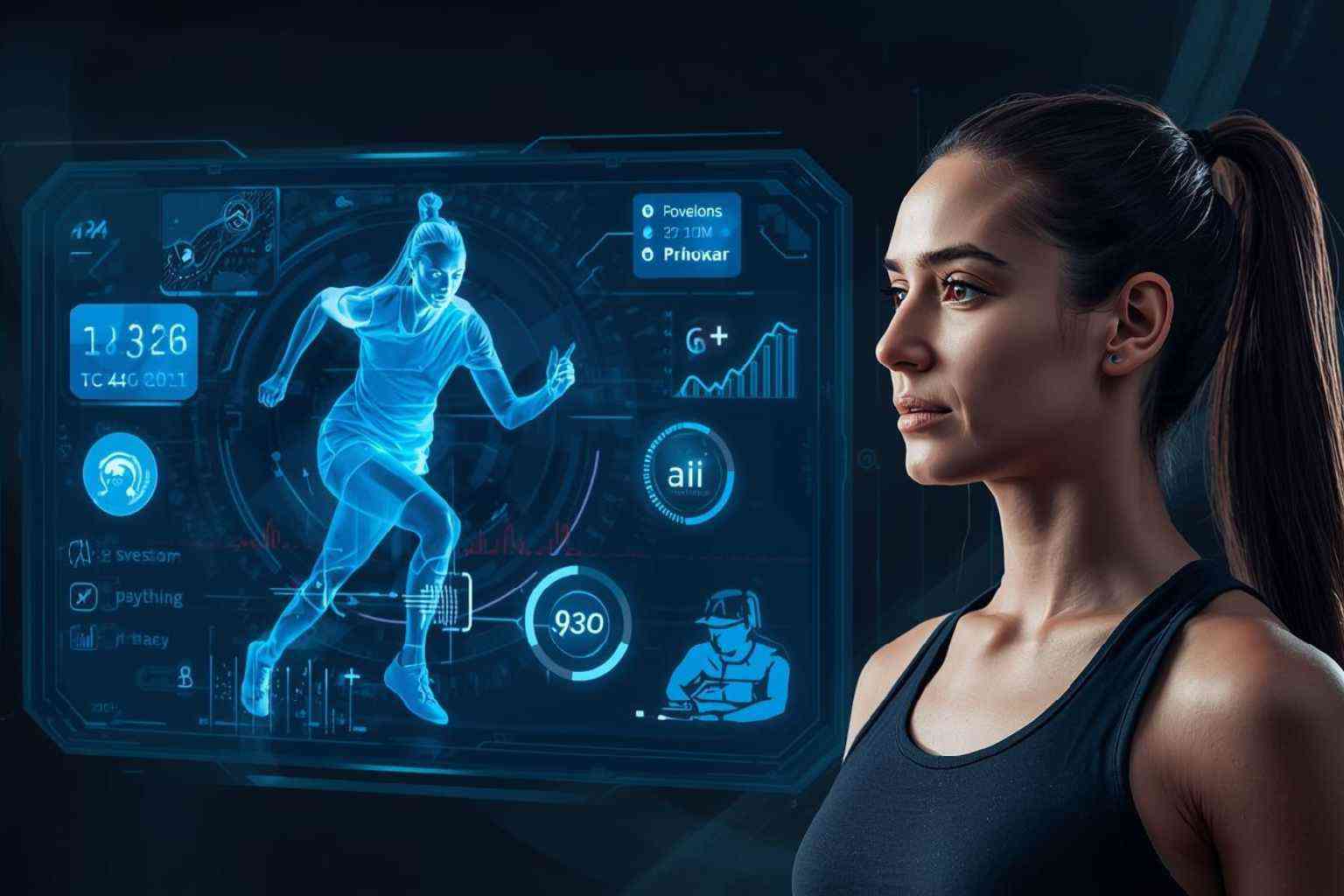
Artificial intelligence is finally making its way into the world of sport training. From workouts to performance analysis, AI coaching tools are enabling athletes to train smarter and more effectively. These are systems that can process data and pinpoint weaknesses matter in the way before they simply couldn’t. This begs the important question: can machines actually train athletes better than human coaches?
1. What Is AI Coaching in Sports
AI coaching AI training and performance improvement (beyond the track/logs) of an athlete. It uses data from wearables, cameras and sensors to track movement, fitness levels and recovery. AI subsequently offers feedback, drills and training plans based on this data.
2. How Traditional Human Coaching Works
Human coaches rely on experience, observation and judgement. They get emotions, motivation and team dynamics. Athlete mood, confidence and mental state are the reason that coaches swipe training days. This very human connection has always been a secret ingredient of sports success.
3. How AI Learns Athlete Performance
AI systems analyze mountains of performance output. They monitor speed, heart rate, movement patterns, fatigue levels and technique. When compared to perfect performance models, the AI detects inefficiencies and offers fine-grained adjustments that humans might overlook.
4. Real-Time Feedback and Accuracy
One of AI’s greatest assets is instantaneous feedback. AI tools can ping athletes during training if it notices that form has shifted or fatigue is hitting. This kind of real time correction helps to avoid bad habits and injury. Machines don’t get tired or lose focus, so the feedback is consistent and accurate.
5. Personalized Training Programs
AI coaching generates individualized training plans for each athlete:
- Personalized plans that focus on what you’re good at and what you’re not so good at.
- Load management to avoid overtraining
- Body data based recommendations for recovery
- Performance tracking over time
- Dynamic workouts that evolve with you
Manually keeping a process like this up to date for larger teams is hard to do.
6. Injury Prevention and Recovery Support
There’s a heavy emphasis on injury prevention here, which AI has a lot to do with. Identifying early signs of stress or instability enable us to reduce the training load before becoming injured. AI also helps with recovery planning by mapping sleep, muscle fatigue and workload patterns.
7. Mental and Emotional Limits of AI Coaching
For all its abilities, AI has no emotional comprehension. Humankind far outperforms in motivation, coping with pressure and building confidence. There are encouragement, trust, and leadership an athlete can never receive from a machine.
8. Accessibility and Fairness in Sports Training
I have AI coaching tools that are democratizing learning at a high level. Athletes that never had access to best in class coaching, can now get scientifically driven direction. But a new kind of performance disparity in competitive sports could emerge if advanced technology is not accessible equally for all.
9. Challenges and Risks of AI Coaching
AI coaching also has limitations:
- Dependence on accurate data and sensors
- High cost of advanced systems
- Limited understanding of emotional factors
- Dangers of too much emphasis on numbers
- Privacy concerns around athlete data
Use in moderation for best results.
10. Humans and AI: Competition or Collaboration
AI is not here to fully replace our human coaches. The future of sports training is cooperation. AI serves data and analysis and precision, while humans supply motivation, strategy and emotional intelligence. Taken together, these provide a more comprehensive training ecosystem.
Key Takeaways
AI coaching is reinventing influence in sports with instant feedback, personalization and injury prevention. While we all agree that a machine could better analyze data and be consistent than human coaches, the human coach is still important for things like motivation, trust and emotional support. Some of the most successful results happen when AI and human experience complement each other rather than compete.
FAQs:
Q1. AI coaching in sports?
That’s applied A.I. applied to performance and training in an athletic arena.
Q2. Will AI ever take the role of human coaches entirely?
No again, AI has a training role but cannot replace the emotional and motivational coaching.
Q3. Is AI Coached good for beginners?
Yes, it’s good for novices to learn proper technique and advance slowly.
Q4. Does artificial intelligence prevent sports injuries?
Yes, it picks up early warning signs of strain and overtraining.
Q5. Will AI trainers be in pro sports locker rooms soon?
Yes, it is in widespread use and will become even more so.
