

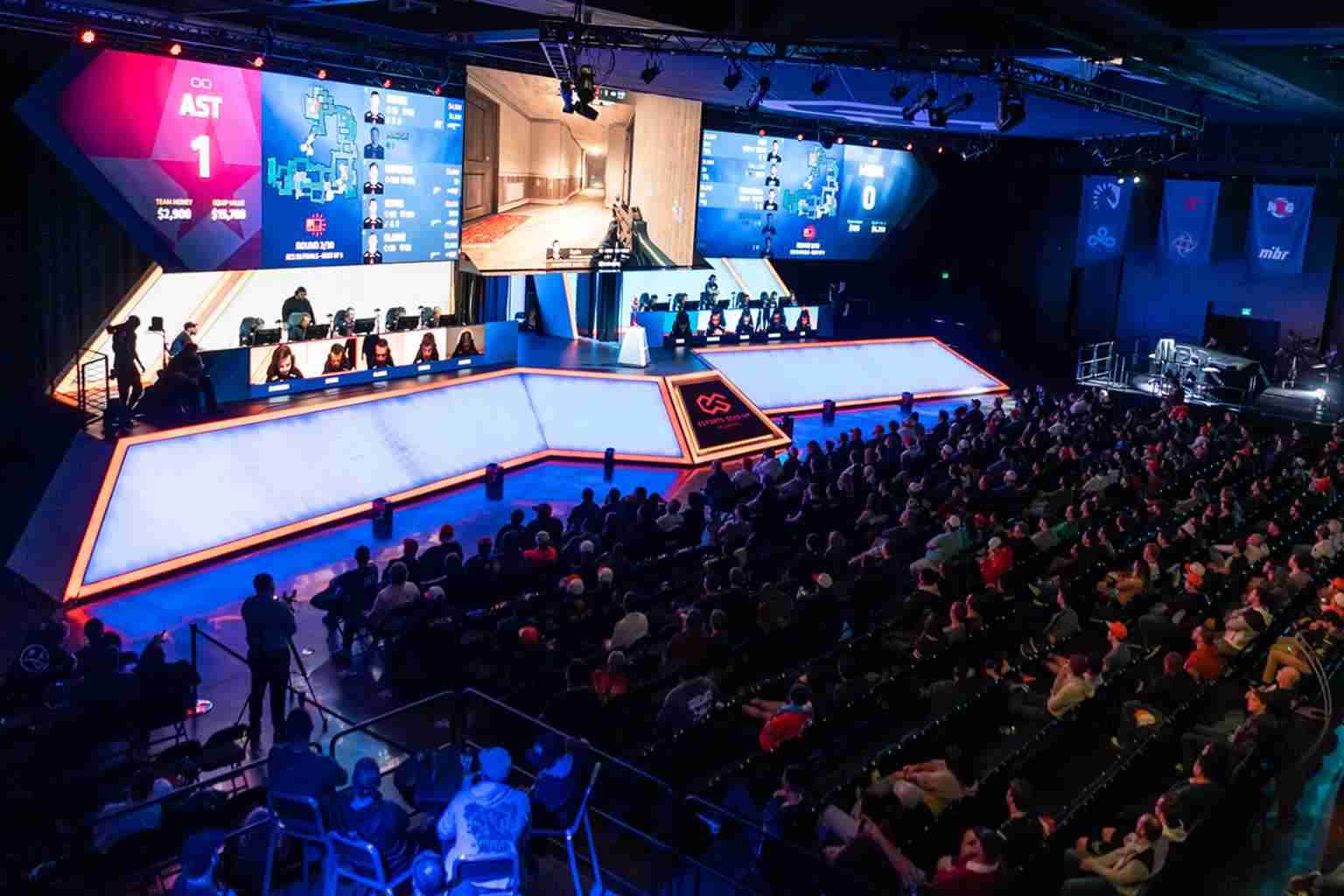
eSports are no longer confined to bedrooms and internet streams. What began as competitive gaming viewed mostly on screens has now erupted into full-blown live events replete with roaring crowds. eSports arenas are transforming into physical venues where fans gather to watch their favourite teams face off. In 2026, these full arenas are a striking statement regarding how digital competition has gone mainstream as a form of entertainment.
1. How eSports Transformed From Basements to Arenas
Originally, eSports tournaments were streamed online with relatively few in-person spectators. As the audience expanded, promoters began staging live finals in convention centers and theaters. The significant response from fans demonstrated that there was a desire to take the energy and excitement of live eSports events, to another level.
2. Why eSports Arenas Are Becoming More Popular
Fans are hungry for more than staring at a screen. Atmosphere, excitement and community Live esports events can offer all of the above. There is an emotional connection that can’t fully be replicated on screen by actually seeing players compete, reacting in the flesh with thousands of other fans.
3. Design of Modern eSports Stadiums
eSports Stadiums The design of eSports stadiums vary from other traditional sports venues. They concentrate on screens, sound and digital experiences, not fields or courts. High- resolution screens, sophisticated lighting and atmospheric audio are an integral part of the design.
4. Technology Powering Live eSports Events
Technology advances have made huge eSports events feasible:
- Ultra fast internet connectivity
- Massive LED screens to watch the game
- Real time player statistics and visuals
- Professional lighting and sound systems
- Seamless live streaming with global audiences
This mesh between the physical and digital is stock in trade for today’s eSports arenas.
5. From Small Venues to Big Crowds
esports stadiums sometimes fill with tens of thousands of fans for large tournaments. Competitions sell out fast, like games in traditional sports. Sellouts prove that gaming has made it into the cultural mainstream, appealing to gamers young and old.
6. Economic Impact of eSports Stadiums
Bank accounts see real gain with eSports stadiums influx. They draw tourism, create jobs and activate local business. Hotels, catering and transport services gets a boost with major tournaments, making eSports an entertainment industry to reckon with.
7. Fan Experience Beyond the Game
Fan Engagement is Key at Live eSports Events. Stadiums provide interactive zones, merchandise shops, meet and greets and live performances. And that’s before the tournaments, which are not simply matches but full day events.
8. Role of Brands and Sponsors
It’s brands that are driving the growth of eSports stadiums. Prize pools, production quality and venue development are financed by sponsorships. Brands, in turn, get access to a younger and more engaged (ûnd tech-savvy) audience that’s selling hard to reach through standard advertising.
9. Challenges Facing eSports Stadium Expansion
Despite rapid growth, challenges remain:
- High costs of construction and maintenance of stadiums
- Need for constant technology upgrades
- Event scheduling consistency
- Balancing online and offline audiences
- Regional popularity differences
It is important to address these issues to ensure long term success.
10. The Future of eSports Stadiums
The future of eSports stadiums looks strong. More cities are investing in dedicated gaming arenas, and hybrid events will combine live crowds with global online viewers. As competitive gaming continues to grow, packed eSports stadiums will become a regular part of global entertainment culture.
Key Takeaways
eSports stadiums are where gaming is moving from the virtual world to venues of real-world entertainment. eSports stadia With sold out rooms, the latest tech and serious fan interaction, these are a telling sign of how eSports has graduated from nerd culture to mainstream sports. The higher the investment, and the more viewers get attached to it, eSports stadiums will continue to attract people in front of a screen (or around one).
FAQs:
Q1. What is an eSports stadium?
It’s a stadium for hosting live video game events with people in attendance.
Q2. Why are eSports arenas now in vogue?
Because there’s demand from fans for live experience, community interaction and real event atmosphere.
Q3. How popular are eSports stadium events?
Big events can draw thousands of live spectators.
Q4. Are eSports stadiums the new online streaming?
No; instead, they enhance streaming with live fan experiences.
Q5. Will eSports stadiums continue to be a bigger thing?
Yes, demand for live eSports events will only continue to grow as the popularity of gaming grows.
