

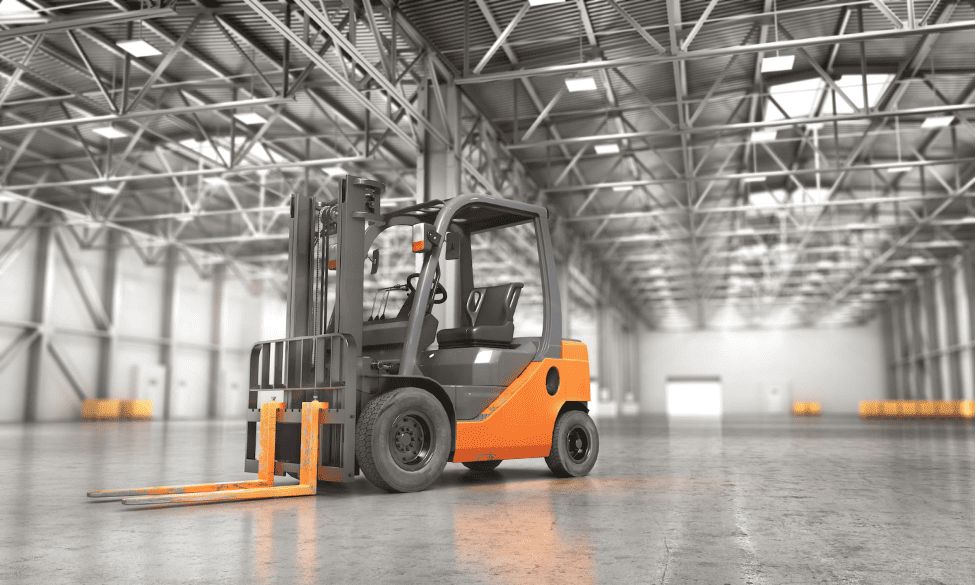
Businesses today require flexible material-handling solutions to manage changing workloads and operational demands efficiently. A forklift rental offers a practical way for warehouses to access equipment without a large capital investment. This approach supports quick scaling while maintaining productivity across different operational scenarios. Understanding how fork truck rental works helps warehouse owners choose suitable solutions for both short-term and long-term needs. The right decision depends on project duration, operational scale, and specific equipment usage requirements.
Understanding Fork Truck Rental for Business Needs
A fork truck rental allows businesses to use material handling equipment without purchasing it for permanent use. This approach supports operations that require flexibility while keeping costs under control. Rental solutions are commonly used in the following situations:
- Seasonal increases in warehouse activity and order fulfilment
- Temporary projects requiring additional equipment support
- Replacement of equipment during servicing or breakdown periods
- Expansion of storage or logistics operations
Leading providers like Godrej RenTRUST offer end-to-end rental solutions that include equipment, trained operators, maintenance, and compliance support. This allows businesses to focus on operations while the provider manages performance and uptime.
When to Choose Short-Term Fork Truck Rental?
Short-term fork truck rental is suitable when businesses need equipment for a limited period without long-term commitments. This option helps manage sudden changes in operational demand without increasing fixed costs. Key scenarios where this approach works well include:
- Handling seasonal inventory peaks during high-demand cycles
- Managing temporary increases in warehouse throughput
- Testing equipment before making a long-term decision
- Addressing the unexpected downtime of existing equipment
This approach offers lower upfront investment compared to purchasing equipment and allows quick deployment for urgent operational needs. It also provides flexibility to scale equipment based on changing workload requirements, helping warehouse owners maintain continuity without unnecessary financial pressure.
When to Opt for Long-Term Fork Truck Rentals?
Long-term forklift rental is ideal for businesses that require equipment for continuous operations over extended durations. This approach provides stability and ensures consistent material handling performance. Common use cases include:
- Regular warehouse operations with steady equipment usage
- Large-scale projects with extended timelines
- Dedicated logistics and distribution activities
This approach offers predictable operational costs, which support better financial planning. Businesses also benefit from access to well-maintained and regularly serviced equipment, along with reduced responsibility for maintenance and repairs. Long-term fork truck rental agreements often include service support, helping improve uptime and ensure reliable equipment availability.
Factors to Consider Before Renting a Fork Truck
Selecting the right equipment requires a clear understanding of operational requirements and warehouse conditions. A well-informed decision improves both efficiency and safety during operations. Key factors to evaluate include:
- Operational requirements such as load capacity, lifting height, and reach, based on daily handling needs.
- Warehouse conditions, including indoor or outdoor usage, floor strength, and available movement space.
- Rental terms covering agreement duration, maintenance support, and equipment replacement if required.
- Safety and compliance with Indian standards, along with properly trained operators for safe handling.
A trained reach truck operator ensures safe handling of loads and smooth movement within warehouse spaces. Skilled operators help minimise errors and improve operational efficiency.
Cost Considerations in Fork Truck Rentals
Rental costs depend on equipment type, duration, and the level of service included in the agreement. Businesses should evaluate cost components carefully before finalising a rental decision. Important cost elements include:
- Rental duration, whether short-term or long-term
- Equipment specifications, including load capacity and lift height
- Maintenance and servicing are included within the rental contract
Short-term rentals may involve higher daily costs but lower overall commitment. Long-term rentals offer better cost stability with predictable monthly expenses. Transparent pricing structures help businesses plan budgets effectively and avoid unexpected operational costs during the rental period.
How to Choose the Right Fork Truck Rental Partner
Selecting a reliable rental partner is important for ensuring uninterrupted warehouse operations and consistent equipment performance. The right provider supports both efficiency and long-term operational stability. Key aspects to consider include:
- Experience in handling industrial and warehouse requirements
- Availability of equipment across multiple locations
- Quality and maintenance standards of the rental fleet
- Compliance with recognised certifications and safety standards
- Ability to provide timely servicing and technical support
Established providers, such as Godrej RenTRUST, offer advanced equipment backed by robust service networks. This ensures reliable operations, better uptime, and consistent support across different project requirements.
Conclusion
Renting a forklift truck offers businesses a flexible, cost-effective way to manage changing workloads. Evaluating operational needs, rental duration, and equipment specifications ensures efficiency while controlling expenses. Choosing between short-term and long-term rentals allows scaling based on project requirements. Partnering with a reliable provider helps ensure access to well-maintained equipment, technical support, and trained operators, enhancing safety and uptime.
