

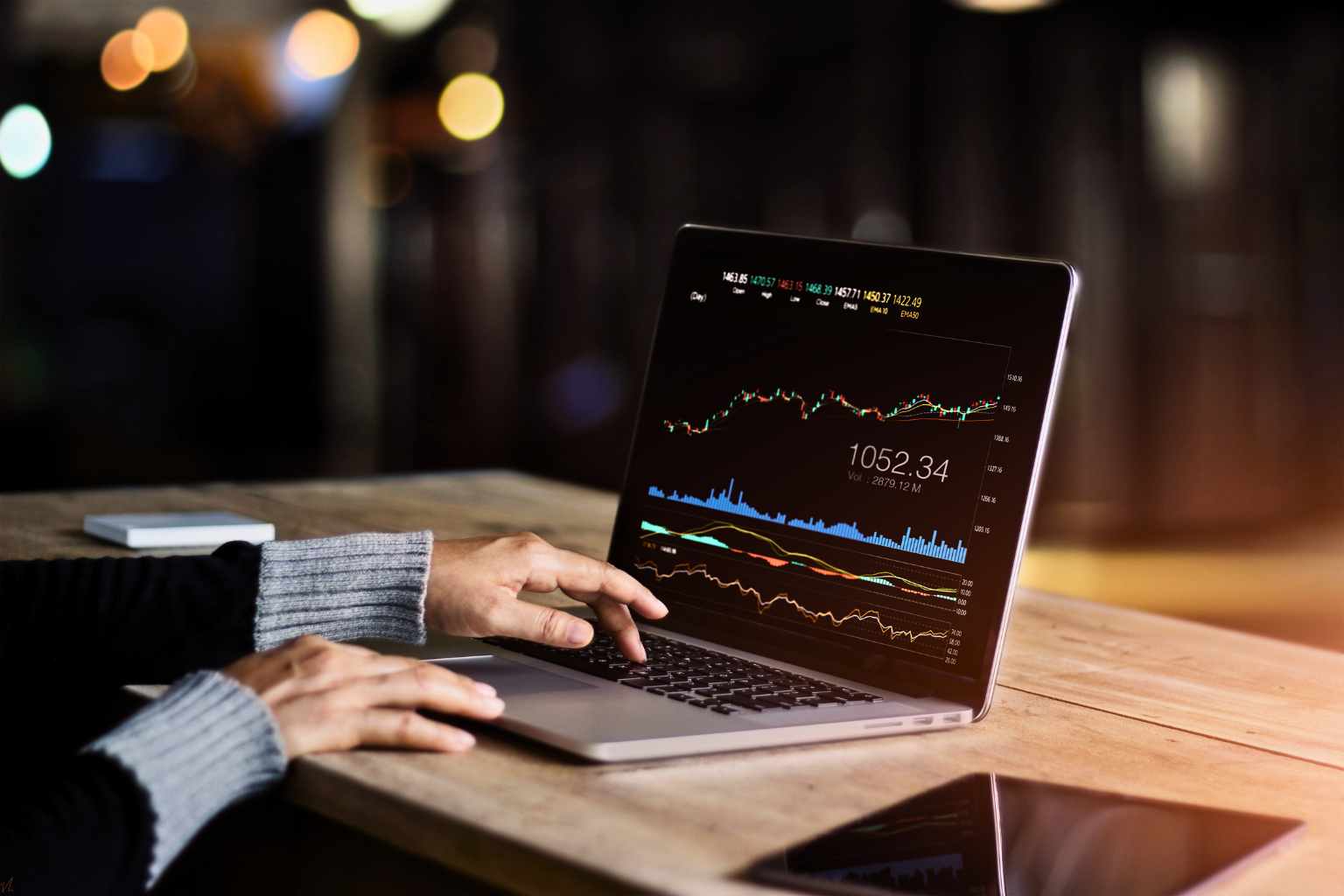
Trading has never been more accessible. Now beginners can get involved in financial markets with nothing more than a smartphone and an internet connection, thanks to mobile apps, online platforms and convenient account opening. But without a good grasp of the basics, trading can be risky and frustrating for anyone involved. This beginner’s guide breaks down stock, crypto, and forex trading in layman’s terms so that you understand how each market works and can safely trade with confidence.
1. What Trading Actually Means
Trading is the business of buying and selling financial assets for profit from prices changes. Traders try to buy low and sell high, often within minutes, hours or days. Whereas investing is more of the long term, trading is in and out quickly taking advantage of market movements.
2. Understanding Stock Trading
Trading stocks refers to the act of buying and selling shares of public companies. When you purchase a stock, you own a small piece of that company. There are several reasons why stock prices change, including news, economic reports and the company’s performance.
Stock trading is a favorite among beginners for its simplicity and relative calm (since we are comparing to futures), compared with other types of markets. Many begin here to see how markets respond to the world in real time.
3. Basics of Cryptocurrency Trading
Crypto trading involves digital currencies such as Bitcoin and Ethereum. These assets are bought and sold on crypto exchanges run without a central authority. Cryptocurrency markets trade 24/7 and are notorious for price swings.
I’ve invested in crypto myself; it provides quick opportunities, but comes with more risk. The prices can spike or plummet exceptionally quickly and that’s why risk management is particularly important for inexperienced traders.
4. What Is Forex Trading
Forex refers to the trading of one currency against another, using for example USD to trade EUR. With 24-hour trading, it is the world’s largest financial market. Prices in forex are determined by economic data, interest rates, global events and market expectations.
Forex trading is known for its leverage, which means by making a small investment in the currency market, you can make some serious money. This potentially amplifies profit as well as risk.
5. Stocks Vs Cryptocurrency Vs Forex: What’s The Difference?
Every market is different, and beginners should learn about the way they differ:
- Stocks track company movement and market hours
- Crypto never sleeps, and is highly volatile
- It does not specialize in currency and pairs and global economics Forex is.
- All these markets have different level of risks
- There’s a different learning curve for each one
And the right market depends on your risk tolerance and learning goals.
6. How Trading Platforms Work
Exchange software offers buy and sell orders, price tracking, and trade management. Typically, most platforms will have charts, indicators and basic tools. Novices should look for platforms with an intuitive interface, learning resources and solid security.
7. Risk Management for Beginners
Risk control is more important than profit in the early stage. Friends over Dinner should not make emotional decisions and trade in much smaller sizes. One took away that if you do not use tools to control your risk (such as stop loss), avoid over trading, and not put money towards the markets that you can’t afford to spare.
8. Common Beginner Trading Mistakes
Some of the same blunders are made by A lot of new traders:
- Trading without learning basics
- Using high leverage too early
- Chasing quick profits
- Ignoring risk management
- Letting emotions control decisions
By learning to avoid these points, the beginner can try out something a bit more complex and live to tell about it.
9. Learning Before Earning
Profitable traders concentrate on the learning. With demo accounts, videos and practice tactics, beginners can grow in confidence without losing the real thing. Learning to read charts, track trends and market information is all time-consuming and frustrating process.
10. How to Kick-Start Trading on the Right Note
It is best to ease into trading. Select a market, learn its basics, practice regularly and don’t expect too much. Trading is a skill, not an easy road to fast money. More important than luck is discipline and consistency.
Key Takeaways
Life is full of opportunities for trading whether it’s stocks, crypto or forex, but they each come with their own risks. For newbies, instead of dreaming about quick profits, learn the mindset of a student and develop your risk management as well. Therefore knowing how each market functions will improve self-confidence and long-term trading discipline.
FAQs:
Q1. Is trading safe for beginners?
Trading is risky, but understanding fundamental principles and managing risks correctly can make it less so.
Q2. What is the best market to trade for beginners?
Stocks are also typically seen as beginner friendly, since they’re less volatile.
Q3. May I trade with a small amount of money?
Yes a lot of platforms offer trading with small amounts, especially in crypto and forex.
Q4. How long does it take to become a trader?
Learning the basics might take a few weeks, and consistent progression may take month or more.
Q5. Is trading your full time job?
They can, but only if you are experienced, disciplined and have good risk management in place.
