

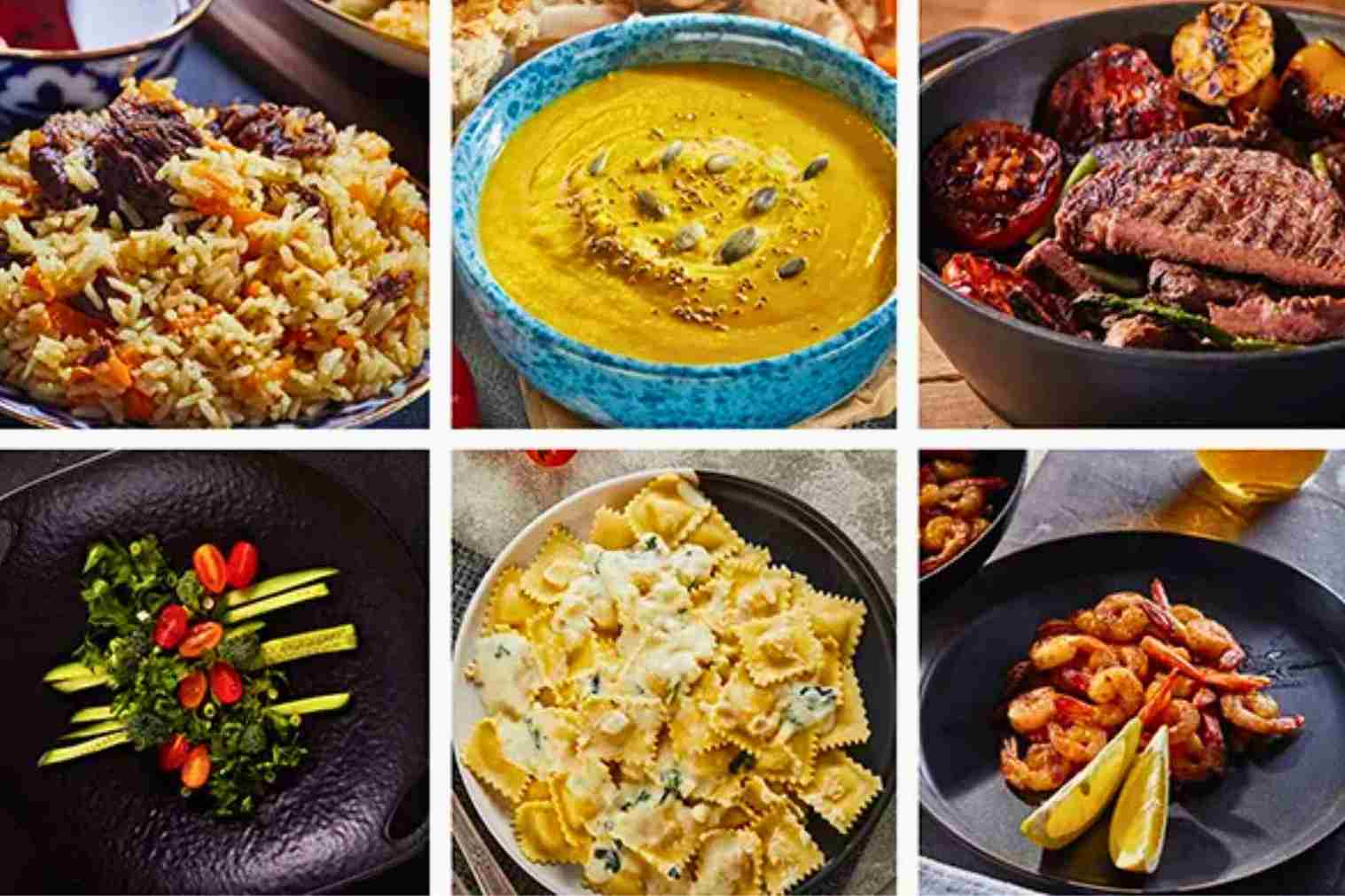
In the midst of an incredibly fast changing world, people are reverting to old comforting food items that have an emotional heat and bring you back down to earth. In 2026, the world’s comfort foods are experiencing a revival as people chase nostalgia, ease and happiness in what they consume. This is not just a matter of taste, but of memories, culture and the sense of home.
1. Comfort Foods Are the New Sandwiches
Life on the modern surface is stressful, digitized and constantly shifting. Comfort foods provide emotional solace and familiarity. Consumers are choosing meals that evoke childhood, family kitchens and traditional cooking. With the return to comfort comes a deeper need for stability and connection.
2. Nostalgia Driving Food Choices
Food memories are powerful. These comfort foods evoke safety and joy in childhood or family meals. In 2026, nostalgia is a major driver of food trends; people are looking for recipes and meals that remind them of childhood rather than experimental flavors.
3. Classic Home Cooked Meals Returning
Simple meals in the home are making a resurgence. These recipes are built around heat, time and ingredients you know. The return to emotional and comforting foods is happening across cultures, as people seek solace in meat dishes that are at once filling and deeply satisfying.
4. Global Comfort Foods Loved Worldwide
Comfort food is specific to a region, but the feeling of comfort that comes with it transcends all cultures. Some of the more popular comfort foods re-emerging are:
- Creamy pastas and baked dishes
- Meals of rice and plain spices
- Hearty soups and stews
- Soft breads and warm flatbreads
- Stews of meat and/or vegetables
Even though these meals might not all be from one culture, they simply exude warmth and coziness.
5. Traditional Recipes Finding Modern Audiences
And many traditional recipes are being handed down anew, among families and food bloggers and over social media. Younger generations are learning old recipes and tweaking them just the slightest bit while preserving their comfort. This marriage of old and new helps keep comfort foods current.
6. Comfort Food and Your Emotions
There’s a powerful connection between comfort food and mental health. Warm food, comfort flavors and the relaxed eating habits aid in calming stress. In 2026, we are looking at comfort food to be more about emotional nourishment than sinful indulgence.
7. Restaurants Offering Comfort on the Menu
Restaurants and cafes are reviving comfort classics. And rather than fussy plating, menus have turned the spotlight to recognizable courses built from superior ingredients. This transition is to ensure that customers feel at ease rather than overwhelmed.
8. Healthier Versions of Comfort Foods
Though comfort foods are on the rise, they’re being prepared in remote control fashion:
- Reduced processed ingredients
- More vegetables and whole foods
- Lighter cooking methods
- Controlled portions
- Just natural seasoning not loaded with heavy sauces etc.
This gives people comfort without guilt.
9. The Combos Of Comfort In Times Of Change
In times of uncertainty, people often crave comfort. Familiar foods are all the more enticing amid economic shifts, world events and lifestyle changes. Comfort foods provide emotional kindling in uncertain times.
10. Is There Something to Salty Snacks?
This is no flash-in-the-pan comeback. Comfort foods are closely tied to culture and emotion. So as long as people care about connection, warmth and recognition, their comfort foods will be an integral part of the world’s cuisine.
Key Takeaways
And nostalgia-triggering global comfort foods are back in a big way, as people look for freedom from the unfamiliar and seek emotional nourishment and cultural connection. Food fads have been replaced by simple homemade dishes, retro recipes and down-home standards. With healthier renditions and contemporary presentations, the comfort food groups are establishing a permanent presence in future food culture.
FAQs:
Q1. What are comfort foods?
Comfort foods are typically known for offering emotional comfort and warming the senses.
Q2. Why are comfort foods trending in 2026?
It’s because people are looking for stability, may be nostalgic and want to feel good.”
Q3. Are comfort foods unhealthy?
Not necessarily. If cooked with love and care they can be grounding and sustaining.
Q4. Are comfort foods cross-cultural?
Certainly each country or region has its comfort foods, but the emotional pull is universal.
Q5. Will comfort food trends stick?
Yes, and that’s because our comfort foods are steeped in culture, memory and everyday life.
