

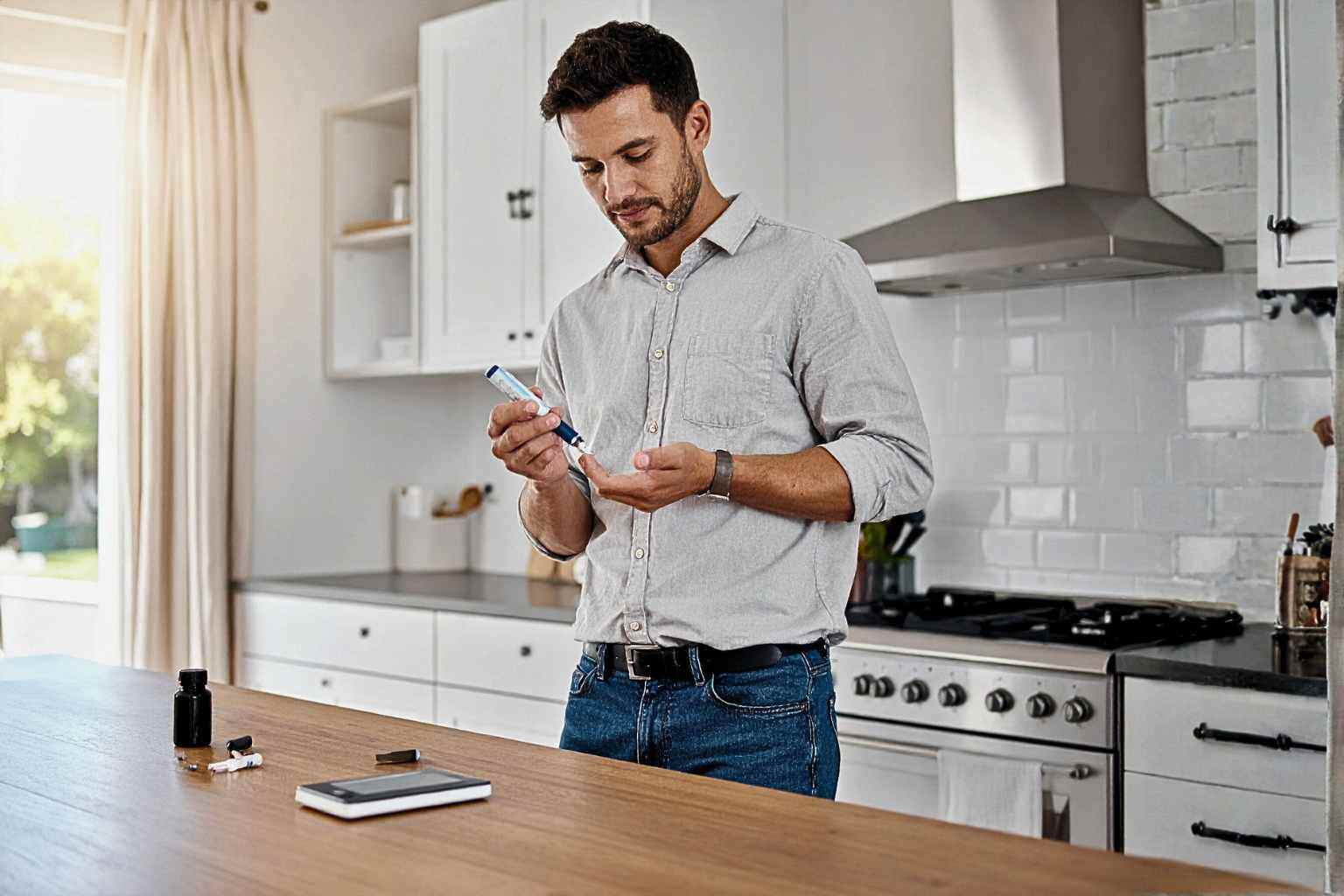
Front and center: Healthcare is getting less faceless, impersonal. Home diagnostics now make it possible for people to monitor key health markers without having to go a clinic or lab. Whether it’s a simple test or daily monitoring of your health, at-home lab tests give us the knowledge we need to understand our bodies better, save time and take action early when something feels off. They’re changing the way we approach everyday health.
1. What Home Diagnostics Really Are
Home diagnostics refers to kits and tests at home for use by the consumer. They measure health signals like blood sugar, cholesterol, hormones, infections and the immune response to a disease. They can usually get results in a matter of minutes, or through linked apps that deliver the result digitally.
2. Why Home Lab Tests Are Gaining Popularity
Adoption is being driven by increasingly busy lifestyles, costly healthcare services and a desire for privacy. Home testing alleviates the need to travel, wait and visit the hospital multiple times. They are ideal for everyday monitoring, follow up review or early screening.
3. Popular Home Diagnostic Tests
You’ll also find many of the lab style tests are available for at-home use:
- Blood glucose and HbA1c tests
- Cholesterol and lipid profile kits
- Pregnancy and fertility tests
- Thyroid and hormone testing kits
- Rapid infection tests
These cover the gamut of daily health needs.
4. How Home Testing Works
For most home testing, the steps are easy to follow. Users take a small sample blood, saliva, urine or a swab. A few kits offer immediate results, while others must receive samples by mail at a certified laboratory. Easy and safe the process with clear instructions.
5. Home In-Lab Testing Advantages
In addition to practical advantages, home diagnostics offer:
- Convenience and time savings
- Privacy and comfort
- Early detection of health issues
- Better tracking of chronic conditions
- Reduced dependency on clinic visits
These advantages make health surveillance more available.
6. Accuracy and Reliability of At-Home Tests
Home diagnostic tests are made to medical standard in this day and age. When employed properly, many provide accuracy nearly on a par with that of laboratory testing. Results will very if not sample is taken correctly and using the directions.
7. How Technology Propels Home Diagnostics
Longer distance No longer bothers technology has made home testing much better. Smart gadgets link with mobile apps, store the information and track trends over time. On some platforms, results can even be shared digitally with a doctor for advice and follow-up.
8. Who Can Benefit Most From Home Diagnostics
For different groups, home lab tests are beneficial:
- People managing chronic conditions
- Elderly individuals needing frequent checks
- Busy professionals
- Fitness and wellness focused users
- Residents at a distance from diagnostic centres
They support proactive health management.
9. Limitations and Precautions
While convenient, home diagnostics have their limitations:
- Not suitable for emergency conditions
- Risk of misuse or misinterpretation
- Lab tests are still needed for Some testing.signals need test lab confirmtions
- Quality varies by brand
- Medical advice is still important
Home tests should augment, not replace, professional care.
10. The Future of At-Home Lab Testing
Home diagnostics will further grow with increased accuracy and more test options. Interfacing with telemedicine and AI assisted analysis will allow for smarter, more reliable self testing. Household health checkups, done long before the usual visit to clinics, are among those prospects in store.
Key Takeaways
Home diagnostics have made health tracking easy, speedy and convenient for the younger generation. And with a widening field of lab-style tests you can do at home, individuals are able to monitor health markers, catch problems early and be in the know. Not a substitute for doctors, home tests are quickly becoming the first stop in personal health care.
FAQs:
Q1. What are home diagnostic tests?
They are self use test kits which aid in testing health parameters at home.
Q2. Are home lab tests accurate?
Many are accurate if they’re used properly, and some can be confirmed with laboratory tests.
Q3. Is home diagnostics a replacement for doctor visits?
No, they encourage monitoring but do not supersede clinical advice.
Q4. Do home tests need prescriptions?
The vast majority of home tests do not require prescriptions.
Q5. Is it safe to use home diagnostic kits?
Yes, with proper use and trusted brands.
