

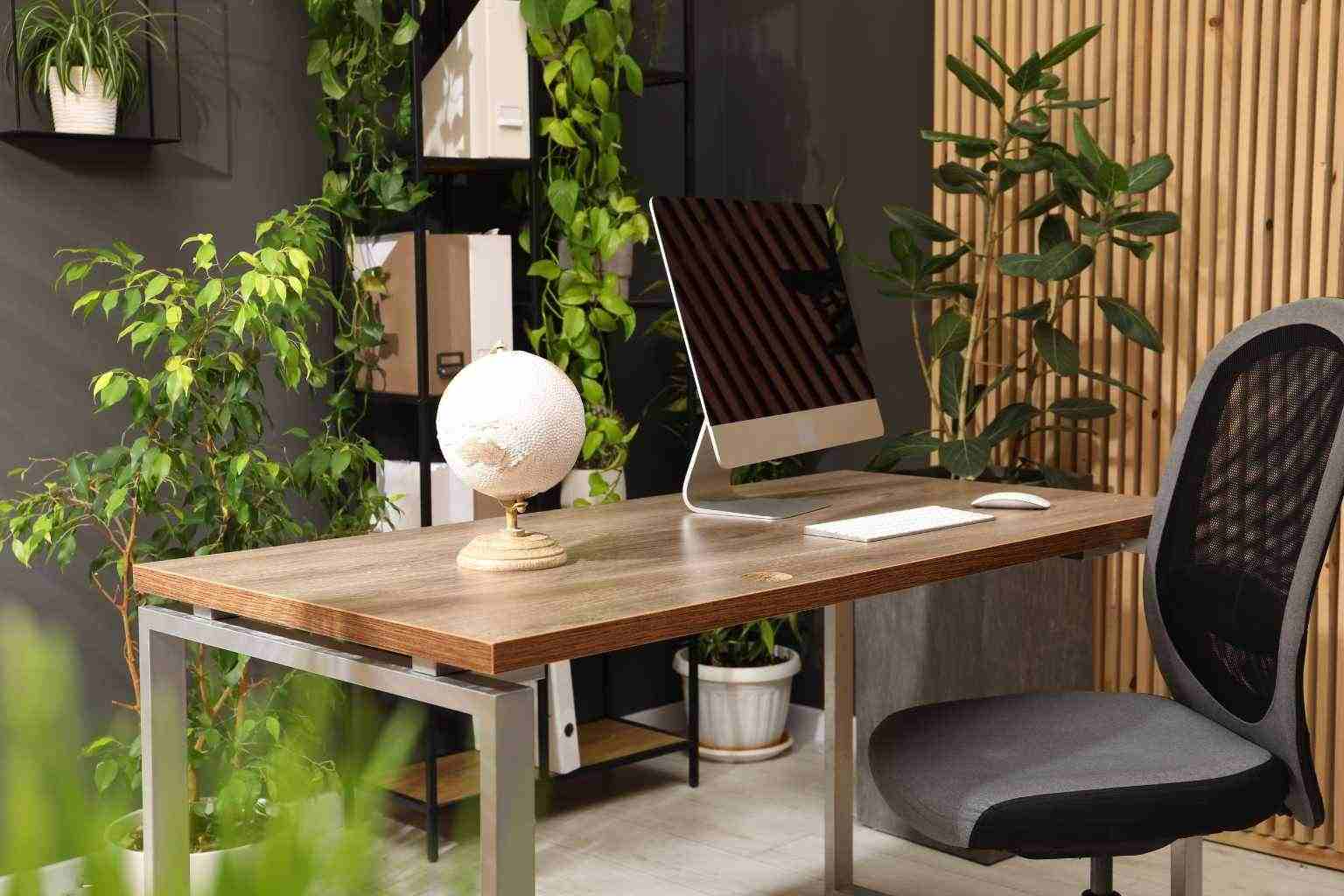
Houses are getting smarter and more stylish, but less nature-friendly. Biophilic design tackles this by incorporating living nature into interior spaces. It is all about bridging the gap between people and nature inside their facial space. From natural light to plants and organic materials, biophilic design enhances comfort, well being and quality of life, resulting in monetary value.
1. What Is Biophilic Design
Biophilic design refers to a technique of bringing natural forms into a building’s interior. By using natural light, plants, textures and materials the firm makes calming and healthful spaces. The aim is ephemerality, not simply decoration: to create spaces that feel living and revivifying.
2. Why Biophilic Design In A Home Matters
People spend around 90 percent of their time inside, and indoor air becomes stale quickly. Biophilic design has been shown to lower stress, lift mood and focus attention. With homes that have natural pieces included, their spaces will feel more inviting, calming and balanced.
3. Natural Light as the Main Component
Daylight is one of the most integral components of biophilic design. Sunlight has a clear path into rooms thanks to large windows, skylights and open layouts. Natural light supports the sleep/wake cycle, promotes moods and reduces the use of electricity during daylight hours.
4. Indoor Plants and Greenery
Plants are the most conspicuous element of biophilic homes. They purify the air and bring interiors to warm, vibrant life. He even believes that placing a few well-chosen plants in living rooms, bedrooms or workspaces can offer a soothing environment and make spaces feel more human, somehow connected to nature.
5. Using Natural Materials Indoors
Biophilic design inspiration to incorporate natural materials:
- Timber for flooring, furniture and ceilings
- Stone (for walls or countertops or decoration)
- Bamboo and cork for eco-friendly surfaces
- Natural textiles such as cotton and linen
- Warm clay and ceramic touches
These elements provide that texture and authentic touch to interiors.
6. Nature Inspired Colors and Patterns
Earth tones are prominent in biophilic interiors. Earthy greens, browns, beiges and muted blues mirror the outdoors. Natural patterns can be fashioned to recall organic looks as leaves, water or natural shaped details and all of them purport to provide that calming visual esthetic.
7. Improving Comfort and Well Being
It is known as “biophilic design” and offers enhanced comfort in the home. Natural materials help to regulate temperature, minimize noise and enhance a soothing ambiance.” Bodies feel less lablike and more healing, which enhances psychological wellness.
8. Biophilic Design for Small Homes
In fact, biophilic design is effective in small spaces. Vertical gardens, window plants and natural textures and mirrors that reflect light help to bring natural beauty into compact homes. Simple adjustments that can create a big difference without cluttering up your desk.
9. Common Mistakes to Avoid
When applying of biophilic design, steer clear of these mistakes:
- Overcrowding with too many plants
- Ignoring proper sunlight for greenery
- Using artificial looking materials
- Poor ventilation and airflow
- Considering biophilic features as mere ornamentation
Balance and functionality are key.
10. Integrating Biophilic Design into Daily Life
Biophilic design is at its best when part of daily operations. Open windows, fresh smells, indoor plants and views of the outdoors also enable a great connection with nature. In time, those things add up and make your home feel healthier and more serene and enjoyable.
Key Takeaways
Biophilic design puts nature in the home to ease stress, increase good health and happiness at home. Homes get a little more serene, a bit more balanced by incorporating natural light, plants, organics and earthy colors. Small changes can make a big difference in developing a relationship with nature and enriching daily life.
FAQs:
Q1. What does biophilic design mean?
It’s design that brings nature into the home.
Q2. Do indoor plants make you feel better?
Yes, they reduce stress and the air is better.
Q3. Does biophilic design work in an apartment?
Yes, even tiny apartments can incorporate plants and light and natural materials.
Q4. Is Biophilic design costly to bring into realization?
No, noxious modifications such as plants and natural light are relatively cheap.
Q5. Does biophilic design enhance sleep, focus?
Yes, natural light and peaceful trappings promote more restful sleep and concentration.
